ola: Life, health, well-being, living, livelihood, means of support, salvation; alive, living, curable, spared, recovered; healed; to live, to spare, save, heal, grant life, survive, thrive. Ola loa, long life, longevity. Ola ‘ana, life, existence. Mālama ola, financial support, means of livelihood. Nā kālā no ke ola o ka nūpepa, money for the support of the newspaper. ‘O nā lā apau o kona ola ‘ana, all the days of his life. Makamaka ola, a live friendship; a friend who extends hospitality and appreciation. I ola ‘ole nei keiki, this (beloved) child did not survive. Ua loa’a ke kāne a ku’u hānai, a ua ola nā iwi o ke kahu hānai, my foster child has found a husband, and the foster parent will enjoy peace and comfort in life and the body will be preserved after death; lit., the bones will live, i.e., the will not fall into an enemy’s hands. Ola ka inoa, the name lives on, said of a child bearing the name of an ancestor. Ola ka pōloli, hunger is satisfied. Ola ka mō’i i ke Akua, God save the king. E ola au i ke Akua, may God grant me life; so help me God. E ola au īa oe, save me, spare my life. ho.ōla. To save, heal, cure, spare; salvation; healer; savior. Po’e i kū’ai ho’ōla ‘īa, ransomed people.
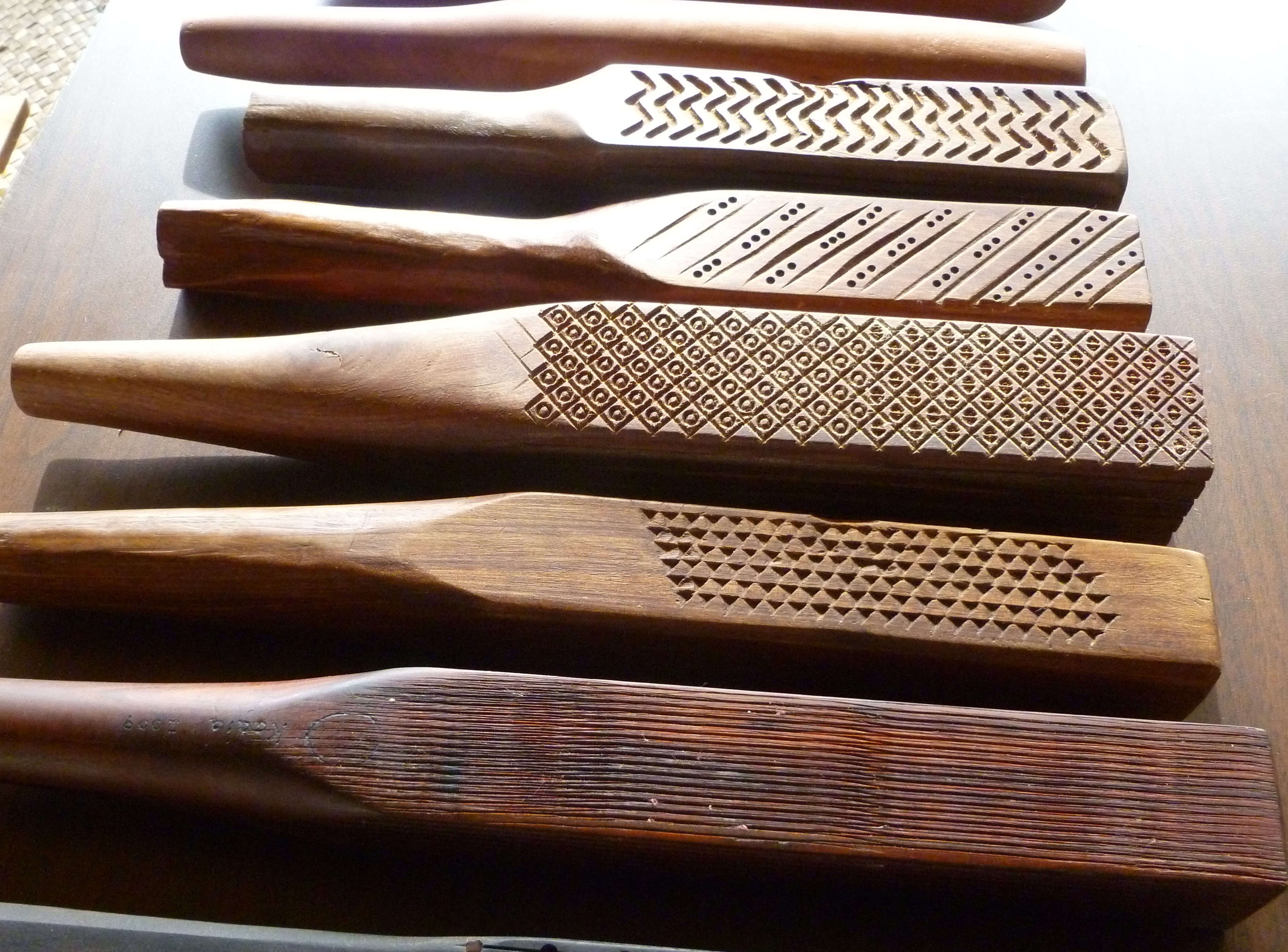
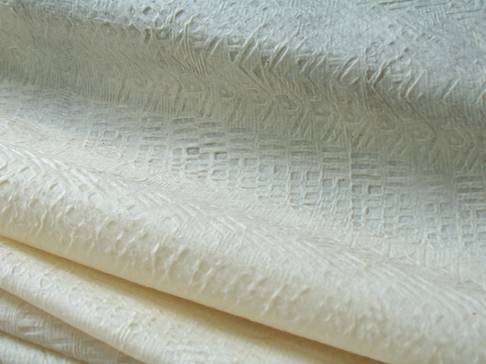
-ola. ho’ōla: Small piece of tapa; tapa in general (Kaua’i). (Pukui & Elbert, 1971).

 kapa kulture