kapa kulture
This blog is dedicated to Hawaiian kapa and matters related to Hawai'i nei…kuku kapa e!

Archive for the tag “‘Olelo Hawai’i”
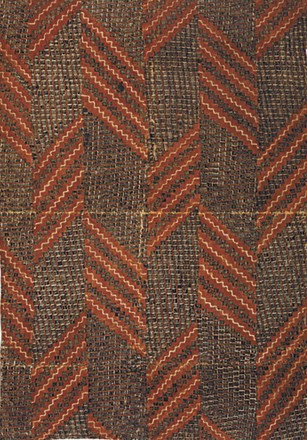
Hawaiian Word of the Day: ‘onipa’a
‘onipa’a: Fixed, immovable, motionless, steadfast, established, firm, resolute, determined (this was the motto of Ka-mehameha V and of Lili’u-o-ka-lani. Lit., fixed movement). hō’onipa’a. To fix, establish firmly. E hō’onipa’a loa wau iā ‘oukou (Bible: Jer. 42:10), I will plant you securely (Pukui & Elbert, Hawaiian Dictionary, 1971).

Hawaiian Word of the Day: puke / buke
puke/buke: Book, volume (in a series).
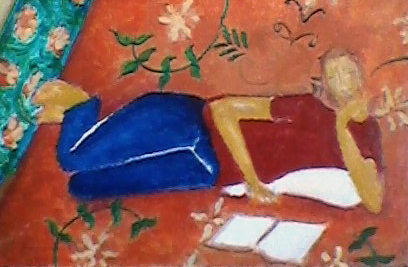
ka puke
Oratory is a valuable art form throughout Polynesia. As such it has an important role, with etiquette and rules of protocol. Passing down legacies of cultural stories, events, and skills exclusively through oral transmission was a way of life. When the Missionaries came to the islands of Hawai’i in 1820, they eventually established schools in which the spoken Hawaiian language was extended to written forms. The Hawaiian alphabet could be learned for reading and writing and vocabulary words were continuously being added to the written Hawaiian language.
In 1869, a Native Hawaiian historian reported in a newspaper article that Hawai’i was the only Pacific island government to be represented at an Exposition in Paris. Books of law, newspapers, agricultural products, Bibles, textbooks, as well as other examples of writing in ‘ōlelo Hawai’i were exhibited. It is said that European visitors to the Paris Exhibition were awestruck at the examples of their literary accomplishments. For in Europe at that time, monarchs and their noble classes alone received excellent educations. It is reported that one viewer exclaimed, “This…island is ahead in literacy; and the enlightened countries of Europe are behind it!”
Hawaiian Word of the Day: ‘ili
‘ili: 1. Skin, complexion, hide, pelt, scalp, bark, rind, peel. Ho’okae ‘ili, race prejudice; to have race prejudice. Ka ‘ili o ke po’o, scalp. Kāne i ka ‘ili, husband. ‘A’ohe mea ‘ē a’e, ‘o ka lole wale nō i ka ‘ili, there was nothing else except the clothing on the back. 2. Leather. ‘ili lahilahi, thin leather. ‘Ili mānoanoa, thick leather. 3. Surface, area. ‘ili ‘āina, ‘ilikai. 4. Binding, cover. ‘Ili pa’a, hard cover (of a book). 5. Land section, next in importance to ahupua’a and usually a subdivision of an ahupua’a. 6. Strap of any kind, as reins, harness, fan belt, machine belt; hose. 7. Pebble (less used than ‘ili’ili); kōnane pebble. 8. Square, as in measurements. A na ‘ili, square measurements (Pukui & Elbert, 1971).
‘ili lepo o waho… dirty outer bark…of wauke when making kapa. The outer bark that is scrapped off to begin the process of making kapa.
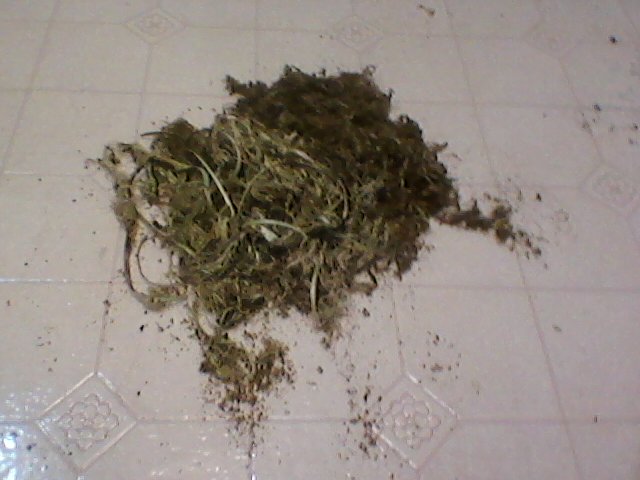
‘ili lepo o waho
Hawaiian Word of the Day: na’au
na’au: Intestines, bowels, guts; mind, heart, affections; of the heart or mind; mood, temper, feelings. Fig., child.

Hawaiian Word of the Day: lawa
lawa: 1. Enough, sufficient, ample; to have enough, be satisfied. Lawa pono, plenty, abundant, ample, adequate. Lawa pono ‘ole, insufficient, deficit. Ka’a i ka lawa, to be enough. ho’olawa. To supply, apportion sufficiently, equip. E ho’olawa mai ‘oe i lau hala e pa’a ai keīa moena, supply me enough pandanus leaves to finish this mat. 2. Possessed of enough or ample knowledge, hence wise, capable, competent. Ua lawa ke ‘ike, knowing a great deal. Ua lawa i ka hānai keiki, wise in raising children. 3. As soon as, I lawa nō ā pau ka hana ho’i kāua, as soon as the work is finished, we’ll leave. 4. Strong, husky; strong man, as in a king’s retinue, lawakua. 5. To bind, make fast, tie securely. 6. White, as of a cock or dog. Moa lawa, moa lawa kea, white cock. 7. A large shark fishhook.
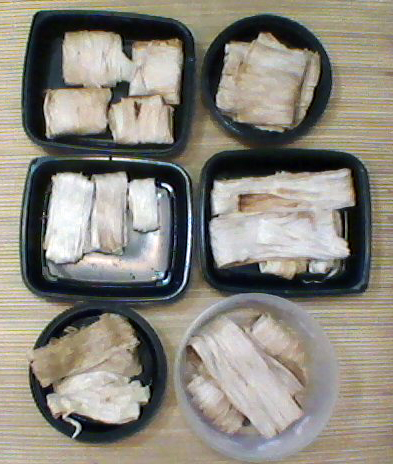
lawa pono wauke i ho’omo’omo’o
Hawaiian Word of the Day: lauhuki
lauhuki: 1. Tapa-soaking, to soak tapa. 2. (Cap.) Name of a goddess worshiped by tapa makers.

lauhuki
Hawaiian Word of the Day: pono’ī
pono’ī: Self, own; private, personal; directly, exactly. ‘O wau pono’ī, his own. Hawai’i pono’ī, Hawaii’s own [own people]. No’u pono’ī kēia, this is my own. I mua pono’ī, directly in front. ‘I’o pono’ī, own flesh and blood. Kona mana’o pono’ī, his personal opinion. Nā hana loio nona pono’ī iho, attorney’s private practice (Pukui & Elbert, 1971).
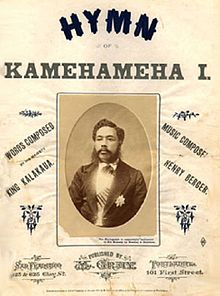
Hawai’i Pono’ī (The National Anthem of the Hawaiian Kingdom, words by King David Kalākaua, 1874)
Hawai`i pono`ī
Nānā i kou mō`ī
Ka lani ali`i,
Ke ali`i
Hui:
Makua lani ē,
Kamehameha ē,
Na kaua e pale,
Me ka ihe
Hawai`i pono`ī
Nānā i nā ali`i
Nā pua muli kou
Nā pōki`i
Hawai`i pono`ī
E ka lāhui e
`O kāu hana nui
E u`iē
Hawai’i’s own
Look to your King
The Royal Chief
The Chief
Royal Father
Kamehameha
We shall defend
With spears
Hawai’i’s own
Look to your Chiefs
The children after you
The young
Hawai’i’s own
O Nation
Your great duty
Strive
Hawaiian Word of the Day: ‘oia’i’o
‘oia’i’o: True; truth, fact; truly, firmly, certainly, genuine, real, sure, verily, authentic; faithfulness. Nā mea ‘oia’i’o, facts, true items. ‘Oia’i’o, he ‘oia’i’o, verily, verily. ‘Oia’i’o kā ho’i, is that so, so [as in surprise or anger]. hō’oia’i’o. To verify, certify, check, convince, make sure, prove; to acknowledge, as a title; deed, proof, verification. Hō’oia’i’o ‘ana, acknowledgements (Pukui & Elbert, 1971).

