kapa kulture

This blog is dedicated to Hawaiian kapa and matters related to Hawai'i nei…kuku kapa e!

Archive for the tag “kapa”

Te Papa Tongarewa Museum in Aotearoa~New Zealand~

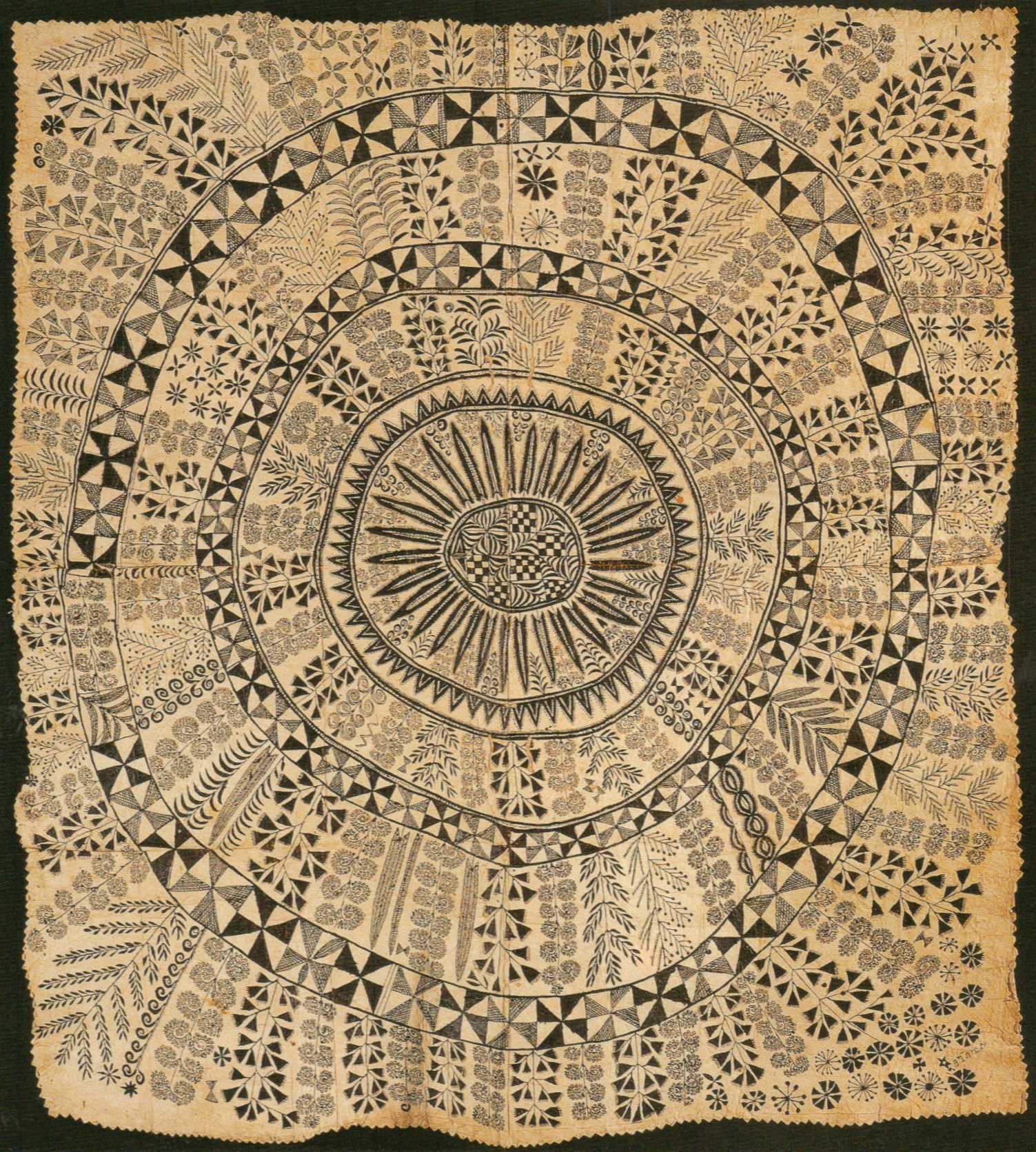
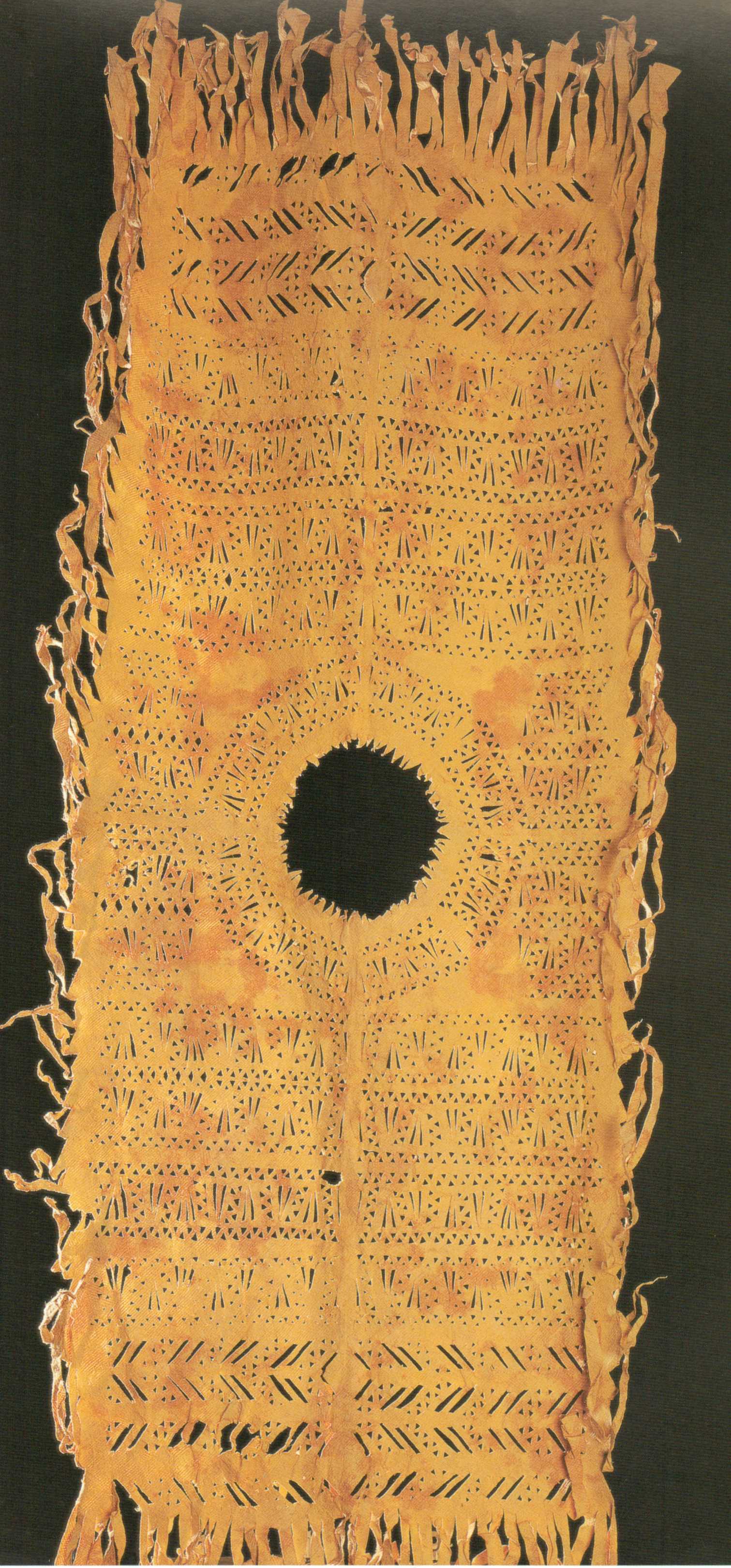
Te Papa Tongarewa Museum in Aotearoa, New Zealand has an incredible collection of Pacific tapa on exhibit. The exhibition is on for 2 more days on site. Check out their awesome online tapa gallery by clicking on the link below!

tapa gallery

Info about the onsite exhibit here:

Tapa Exhibit, “Paperskin”
Te Papa

Hoʻowehi i ke kapa

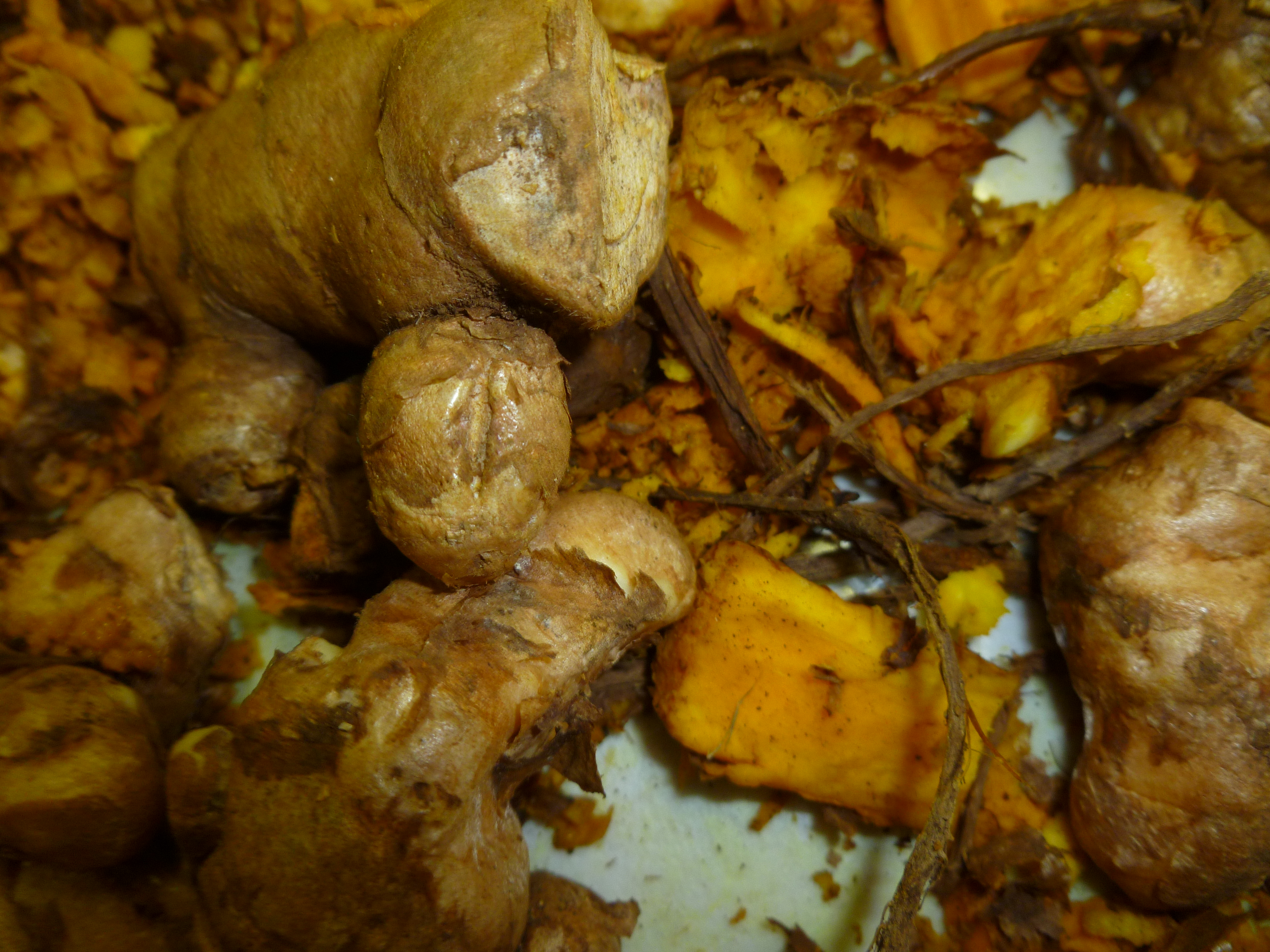
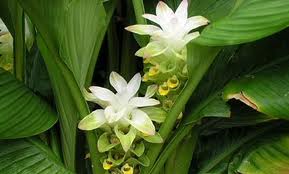
Today I am experimenting with various dyes and creating colors that will be used to dye the kapa I have made. I will hoʻawa, extract dye colors from plants, to make ka waihoʻoluʻu, the dye, using ʻōlena for yellow, ʻukiʻuki for blue… overlapped they might make green… we shall see…will post photos later…

The botanical names for these dye plants are:

ʻōlena

ʻōlena ~ Curcuma longa


ʻōlena plant

ʻōlena plant

ʻukiʻuki ~ Dianella Sandwicensis

ʻukiʻuki ~ Dianella sandwicensis

~ALOHA~

Hawaiian Word of the Day: pōpoki

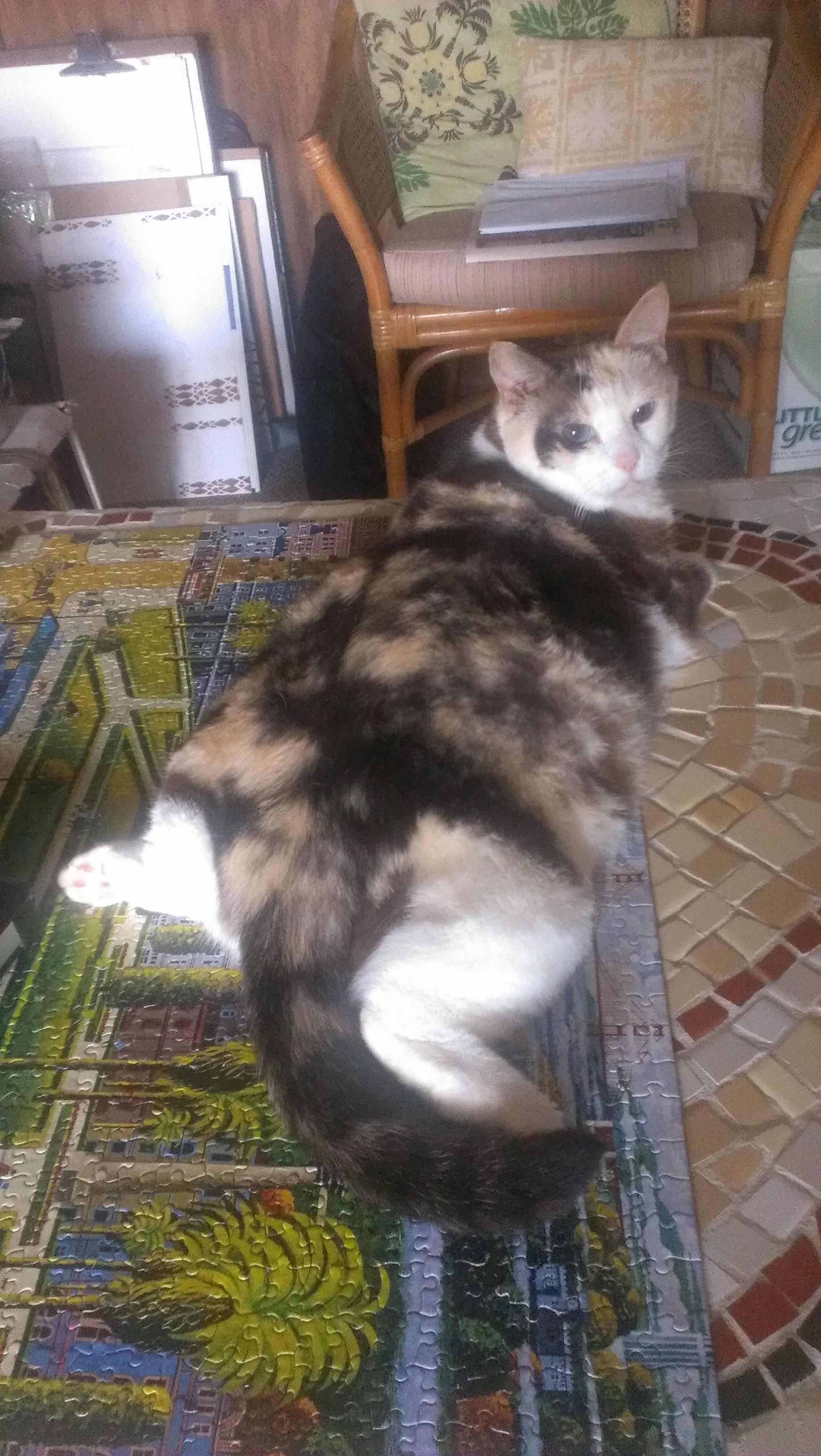
pōpoki: Cat (said by some to be derived from English “poor pussy”). Pōpoki kī, a spitting cat [spiteful, malignant person]. Pōpoki lehu, Maltese cat; lit., ash cat. Pōpoki nāwaliwali, weak cat [a weakling]. Pōpoki peʻelua, gray cat with darker markings, as a tabby cat; lit., caterpillar cat.

ko'u pōpoki, my cat

ko’u pōpoki, my cat

Hawaiian Word of the Day: hāʻawi

hāʻawi: To give, grant, allot, hand, present; to bid as at auction; to offer; to deal, as cards; a deal. Hāʻawi lokomaikaʻi, to give freely, open-handed. Hāʻawi wale, to give freely, gratis.

ʻukiʻuki ~ Dianella Sandwichensis

ʻukiʻuki ~ Dianella Sandwicensis


Ka ukiʻuki ʻo ia haʻawi. The ʻukiʻuki it’s giving.

Samoan Tapa is Siapo

Siapo is the common name used for bark cloth in Samoa. The siapo is the paper mulberry tree bark for the material called uʻa. The bark is prepared in the common way of removing and preparing the bast. The tools used to beat out the uʻa is the anvil called a tutua, which is about 3 feet long for a single person to work, or six feet long for two or three people to work together. The beater used is called an is called an iʻe. The iʻe has two smooth sides and two grooved sides. After the uʻa is beaten into a sheet, it is dried in the sun and made ready for design applications.

Samoan Siapo

Samoan Siapo

Would you like to learn more about this topic? Check out this amazing website full of great info: siapo.com

Hawaiian Word of the Day: hānai

hānai: 1. Foster child, adopted child; foster, adopted. Keiki hānai, foster child. Lawe hānai, to adopt a child. Makua hānai, foster parent. Kāna hānai, his adopted child. 2. To raise, rear, feed, nourish, sustain; provider, caretaker (said affectionately of chiefs by members of the court). Hānai holoholona, to feed and care for domestic animals. Makamaka hānai, generous and hospitable friend. Hānai ā momona, to fatten. Hānai maila ʻoia iāia meli, he fed him the honey. 3. Body of a kōkō net carrier, and cords attached to it; fish net or trap, as for ʻoʻopu fish; kite.

akua hānai: 1. Spirits, as of a recently dead kinsman, who were fed (hānai) offerings (such as food) and sent out to destroy an enemy. 2. The kauila, nioi, and the ʻohe “poison” woods of Molokaʻi, which were kept by sorcerers in their houses, wrapped in tapa, and to which food offerings were made daily; scraps of these woods were used as poison, and poison itself was sometimes called akua hānai.

hānaiāhuhu: To make a pet of an animal; to care for well, as a pet; cherished plans, pet projects. Eia kekahi mau hānaiāhuhu a ke aupuni, here are some favorite plans of the government.

hanaina: Feeding. Eia mai ka moa i hanaina lā, here is the rooster fed in the sun; the cock fed in the sun was believed strong because of turning his head to avoid heat.

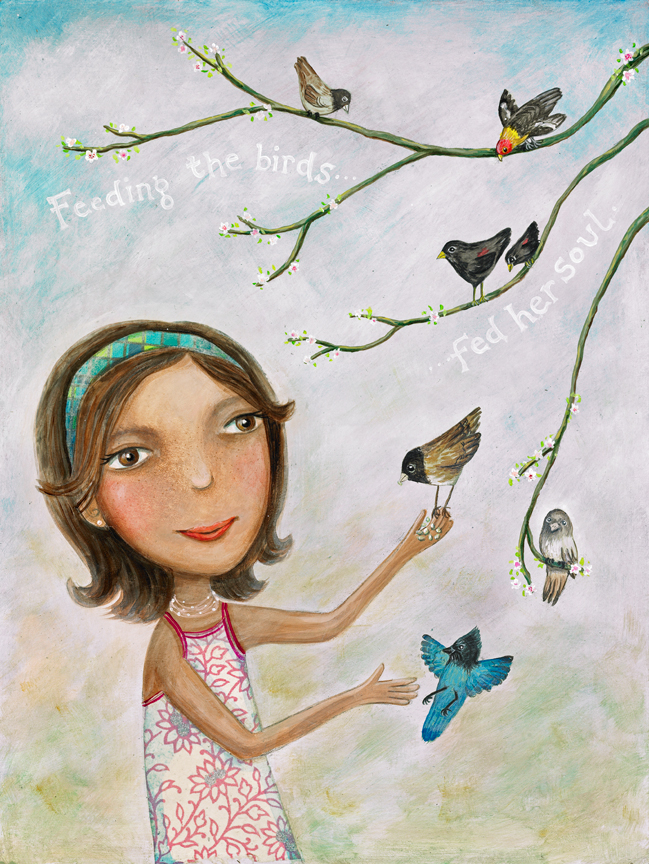
Feeding the Birds, by Joanna Dover

Feeding the Birds, by Joanna Dover

art work by Joanna Dover

Hawaiian Word of the Day: leʻa

leʻa: 1. Joy, pleasure, happiness, merriment; sexual gratification, orgasm; pleasing, gay, delightful, happy, merry; delighted, pleased. hoʻo.leʻa. To cause pleasure, joy; to praise, please, delight, extol; praising, eulogistic. Haʻiʻōlelo hoʻoleʻa, eulogistic speech. ʻEhā kaukani hoʻi i hoʻoleʻa iʻa Iēhowa me nā mea kani aʻu i hana ai i mea hoʻoleʻa, four thousand then praised Jehovah with the playing instruments I made as praising things. 2. Clearly, perfectly, thoroughly, successfully. kāleʻa, kūleʻa. Haʻi leʻa, to describe fully and clearly; one skilled in clear, full explanation. Holo leʻa, to progress smoothly, successfully. ʻIke leʻa, to see clearly. Maopopo leʻa, obvious, clearly evident. Moʻa leʻa, thoroughly cooked. 3. Capitalized: Leʻa: The zenith star Arcturus. Also Hōkū-leʻa, star of gladness.

shaka!

Hawaiian Word of the Day: aloha ʻāina

aloha ʻāina: Love of the land or of one’s country, patriotism; the name of a Hawaiian-language newspaper published 1893-1920; aloha ʻāina is a very old concept, to judge from the many sayings (perhaps thousands) illustrating deep love of the land.

096

Hawaiian Word of the Day: ʻumeke

ʻumeke: Bowl, calabash, circular vessel, as of wood or gourd. ʻUmeke kāʻeo, a well-filled calabash [a well-filled mind]. ʻUmeke pala ʻole, calabash without a dab [empty bowl, empty mind]. hoʻo.ʻumeke, hōʻumeke. To assume the shape of a bowl; to assume the shape of fruit, to bear fruit. Fig., to have enough to eat. E pua ana ka ʻōhiʻa ʻai a hōʻumeke i ka malama o Hinaiaʻeleʻele, the mountain apple blooms and fruits form in the month of Hinaiaʻeleʻele.

ipu umeke

ʻumeke ʻai: Poi bowl. Fig., source of food, of the uplands.
ʻumeke ipu kai: Bowl, as for serving meat or salty meat.
ʻumeke kepekepe: Bowl with horizontal flat panels. Lit., wedged bowl.
ʻumeke lāʻau: Wooden bowl.
ʻumeke mānaʻai: Very small bowl, as formerly used for poi by favorite children. Lit., poi mouth-fed bowl.
ʻumeke ʻōpaka: Bowl with vertical panels with vertical edges between them.
ʻumeke palapaʻa: Thick-bottomed wooden calabash. Lit., firm-dabbed bowl, perhaps so called because dabs of poi are held firm in this type of calabash that does not upset.
ʻumeke pāwehe: A decorated gourd bowl, as made on Niʻihau.
ʻumeke pōhue: Gourd calabash.

ipu-umeke

Photo found on the Kaʻahele Hawaiʻi Website. Click below to access more information on Hawaiian ipu and more resources for Hawaiian culture and arts.

Na Ipu O Hawaiʻi

Happenings @ the Kauaʻi Museum

I had the chance to do several demonstrations at the Kauaʻi Museum in April and May. It was interesting to get out in public and showcase the methods and processes of Hawaiian Kapa. My audiences were interested and asked many questions about involvement of youth, natural dyes, longevity of kapa cloth, relationships to other cultures, and more… There were some good discussions that got going. I used the opportunity to survey my audiences to understand better about the impressions kapa had on them. One surprising fact? 95% of people surveyed had no knowledge that Hawaiʻi was annexed to the United States in an illegal coup. Now that surprised me because if Hawaiʻi is indeed part of the U.S. it seems to me that U.S. History curriculum should include the story of the Hawaiian Kingdom in it’s course of study. Just saying…

Museum Poster for my Kapa Revival Project

Museum Poster for my Kapa Revival Project

The Kauaʻi Museum Website

Post Navigation