kapa kulture
This blog is dedicated to Hawaiian kapa and matters related to Hawai'i nei…kuku kapa e!

Hawaiian Word of the Day: ola
ola: Life, health, well-being, living, livelihood, means of support, salvation; alive, living, curable, spared, recovered; healed; to live, to spare, save, heal, grant life, survive, thrive. Ola loa, long life, longevity. Ola ‘ana, life, existence. Mālama ola, financial support, means of livelihood. Nā kālā no ke ola o ka nūpepa, money for the support of the newspaper. ‘O nā lā apau o kona ola ‘ana, all the days of his life. Makamaka ola, a live friendship; a friend who extends hospitality and appreciation. I ola ‘ole nei keiki, this (beloved) child did not survive. Ua loa’a ke kāne a ku’u hānai, a ua ola nā iwi o ke kahu hānai, my foster child has found a husband, and the foster parent will enjoy peace and comfort in life and the body will be preserved after death; lit., the bones will live, i.e., the will not fall into an enemy’s hands. Ola ka inoa, the name lives on, said of a child bearing the name of an ancestor. Ola ka pōloli, hunger is satisfied. Ola ka mō’i i ke Akua, God save the king. E ola au i ke Akua, may God grant me life; so help me God. E ola au īa oe, save me, spare my life. ho.ōla. To save, heal, cure, spare; salvation; healer; savior. Po’e i kū’ai ho’ōla ‘īa, ransomed people.
-ola. ho’ōla: Small piece of tapa; tapa in general (Kaua’i). (Pukui & Elbert, 1971).
Hawaiian Word of the Day: māla
māla: Garden, plantation, patch, cultivated field, as māla ‘ai, taro patch, food garden or plantation; or māla wauke, cultivated garden of wauke for the purpose of kapa making. (Pukui & Elbert, 1971).

Hawaiian Word of the Day: huaka’i
huaka’i : Trip, voyage, journey, mission, procession, parade; to travel, parade. ka’i, to lead. (Pukui & Elbert, 1971)
Hawaiian Word of the Day: kilohana
kilohana: name of the outside, decorated sheet of tapa in the ku’inakapa, bed coverings; the four inner layers were white, contrasting with the decorated kilohana. Hence extended meanings: best, superior, excellent. He ali’i ke aloha, he kilohana e pa’a ai (saying), love is like a chief, the best prize to hold fast to. 2. Hillock, heap, lookout, top, view out, high point (kilo + -hana, nominalizer). (Probably Proto-Polynesian tirofanga; Tongan siofi, siofia and Samoan tilofia.) (Pukui & Elbert, 1971).

This kilohana of kapa moe is at the San Diego Museum of Art
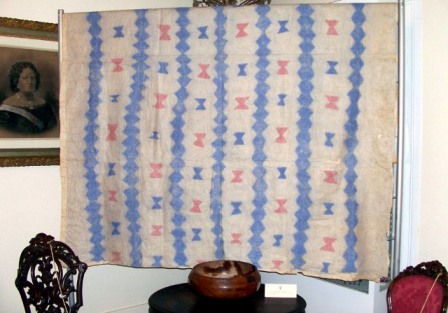
This kilohana is displayed at Queen Emma’s Summer Palace, Honolulu
Hawaiian Word of the Day: ea
ea: 1. Sovereignty, rule, independence. La Ho’iho’i Ea, Restoration Day. Ho’iho’i i ke ea o Hawai’i, restore the sovereignty of Hawai’i. 2. Life, air, breath, respiration, vapor, gas; fumes, as of tobacco; breeze, spirit. This ea, as well as ea 1,3,4, is sometimes pronounced or sung ‘ea. eamama, eaolamama. Kaha ea, to deprive of rights of livelihood. Wai ea, aerated waters. Ho’opuka ea, exhaust fumes. Ua mau ke ea o ka ‘aina i ka pono (the motto of Hawai’i), the life of the land is perpetuated in righteousness. 3. To rise, go up, raise, become erect. aea, e’ea, ho’ea. Kai ea, rising sea. Ua ea kona po’o, his head was raised. 4. To smell. (Pukui & Elbert, 1971).

e ala e
The Legend of the Wauke Tree
From the book, Na Mo’olelo Hawai’i o ka Wa Kahiko, Stories of Old Hawai’i
by Roy Kakulu Almeida (1997) Bess Press, Honolulu.
The Legend of the Wauke Tree
Maikoha lived with his family at Puiwa. This place was in the cool and green valley of Nu’uanu, on O’ahu. He worked hard every day in the lo’i near his home. He grew enough food to care for his family, pay the annual taxes during Makahiki, and provide the family ho’okupu to the gods.
He had two daughters, Lauhuiki and La’ahana. He loved them very much. He wanted them to be warm. He did not want them to suffer from the chilly winds and rain that often swept through the valley.
Maikoha was getting older. His body was not healthy and strong enough to withstand the cold winds. As he became older and weaker, Maikoha knew that he would die soon. One day he called his daughters to him. He told them that when he died they should secretly bury him near the cool, clear waters of the stream that flowed by their home.
Then Maikoha said to them, “Watch for a tree that will grow from that place. That tree,” he said, “will be my own body growing into a useful tree. You will call it wauke.”
“But how will we know how to use the tree?” asked Lauhuiki.
Maikoha continued, “When the tree is grown, cut the stems of the tree. Strip off the bark. Then pound and pound the stems with a kua kapa until the bark fibers cling to each other like cloth.”
After he gave his instructions, Maikoha lay down to rest. Soon he died. His daughters did as they were told. They buried him in a sunny area near the stream. Every day they cleaned the area and placed a fresh maile lei on the grave.
A few days after they buried their father, a tree began to grow straight and tall from the grave just as their father had said it would. Each day as they watched the tree grow, it spread out many new branches. They named it wauke as their father had told them to do. “It’s time to do what father said,” Lauhiki told her sister.
While asking their father for guidance, they carefully cut the stems off the tree. They stripped off the bark and soaked the branches in water. Then they began to pound and pound the bark until the fibers began to cling to each other like cloth. As they did each step of the process, Maikoha guided their hands. They recognized that their father was their own ‘aumakua.
This was how they learned to make kapa. They made the malo and the pa’u for clothing. These kept them warm and comfortable when the cold winds blew through the valley.
The wauke tree spread throughout Nu’uanu Valley and toher parts of O’ahu and the other islands. Whenever a branch was broken off the tree and stuck in the ground, it would grow. This way the spirit of Maikoha continues to live on all the islands.
Glossary of Hawaiian Words
lo’i: taro or kalo patch
makahiki: ancient festival that lasted for a season of about four months, celebrated by sports and a taboo on war
ho’okupu: gift, offering
wauke: paper mulberry; its bark was used to make tapa or kapa
kua kapa: tapa beating anvil
maile: native Hawaiian twining shrub with a pleasant fragrance
‘aumakua: family god or guardian
kapa: tapa (bark cloth
malo: loincloth
pa’u: skirt
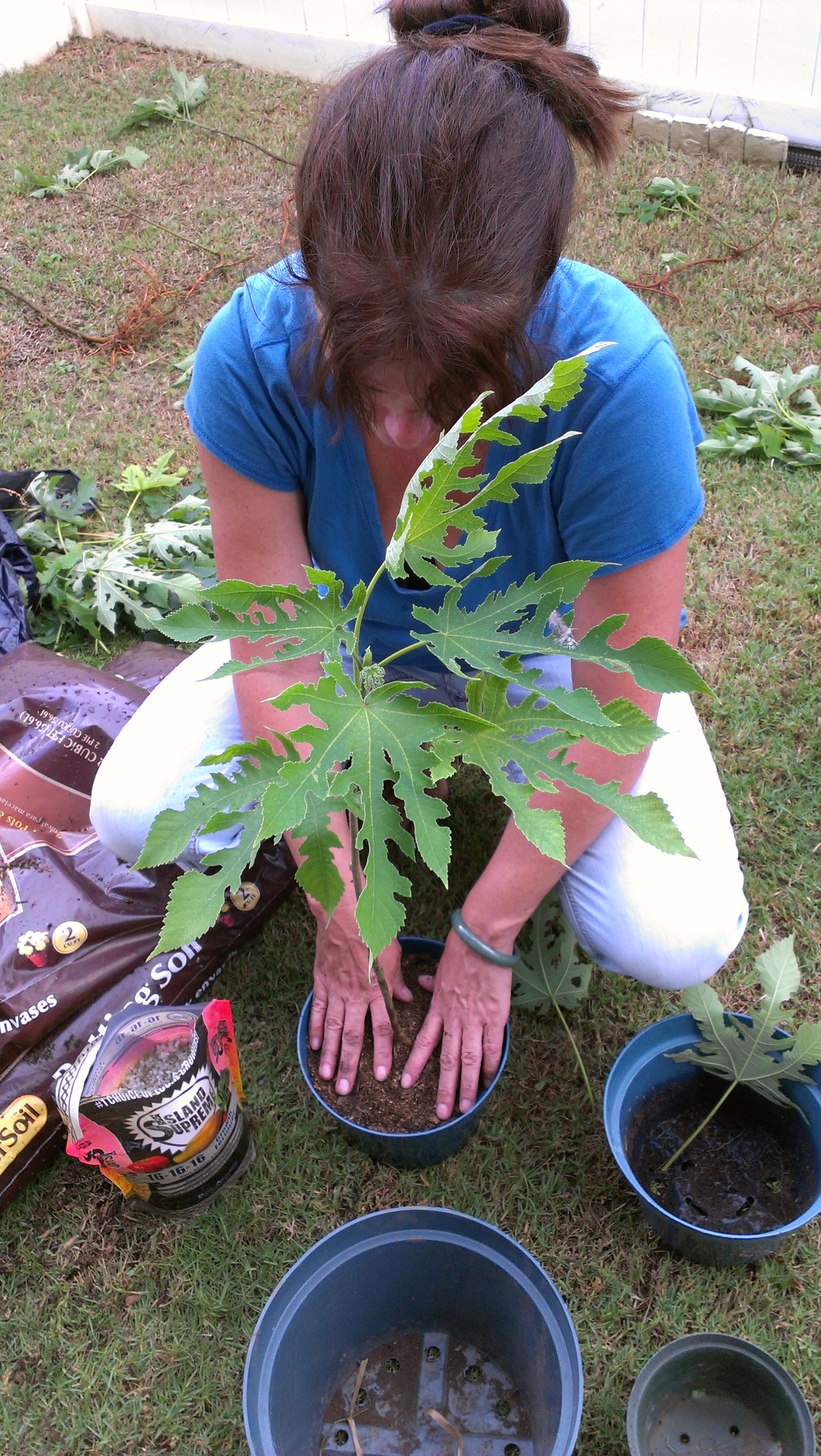
Kanu e ka mala wauke. (Plant the wauke garden.)
Hawaiian Word of the Day: pono
pono: Goodness, uprightness, morality, moral qualities, correct or proper procedure, excellence, well being, prosperity, welfare, benefit, behalf, equity, sake, true condition or nature, duty; moral, fitting, proper, righteous, right, upright just, virtuous, fair, beneficial, successful, in perfect order, accurate, correct, eased, relieved; should, ought, must, necessary. Pono ‘ole, unjust, unrighteous, dishonest, unprincipled, unfair, wrong. No kou pono, in your behalf. Ka pono o ka lehulehu, public welfare. Na pono lahui kanaka, human rights. Na pono o na wahine, women’s rights. Ka pono kahiko, the old morality or moral system. Pono i ke kanawai, legal, legality. Pono ‘ole ka mana’o, disturbed, worried, upset. Me ka pono, respectfully (Pukui & Elbert, 1971).
Hawaiian Word of the Day: pi’ikoi
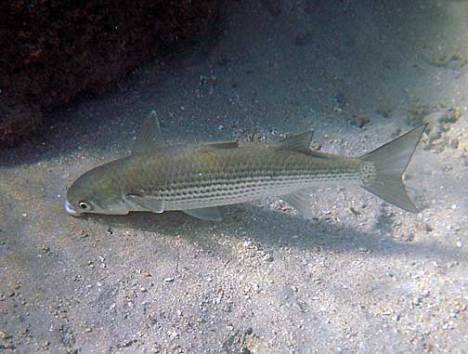
pi’ikoi: To claim honors not rightfully due, to seek preferment, to aspire to the best or to more than is one’s due; to claim to be of higher rank than one is. Mai pi’ikoi i ka ‘ama’ama, don’t strive for the ‘ama’ama [this fish was very choice; the meaning is: be satisfied with what you have, why aim for the moon] (Pukui & Elbert, 1971).
 kapa kulture