kapa kulture

This blog is dedicated to Hawaiian kapa and matters related to Hawai'i nei…kuku kapa e!

Archive for the tag “sovereignty”

Hawaiian Word of the Day: palapala

palapala: 1. Document of any kind, bill, deed, warrant, certificate, policy, letter, tract, writ, diploma, manuscript; writing of any kind, literature; printing on tapa or paper; formerly the Scriptures or learning in general; to write, send a written message. 2. Maui name for pualu, a fish. 3. Variation of name for maomao, a fish (Pukui & Elbert, 1971).

Palapala to the U.S. written by Queen Lili'uokalani

Palapala to the U.S. written by Queen Lili’uokalani

Hawaiian Word of the Day: ho’okupu

ho’okupu: Tribute, tax, ceremonial gift-giving to a chief as a sign of honor and respect; to pay such tribute; church offering.

IMAG0038

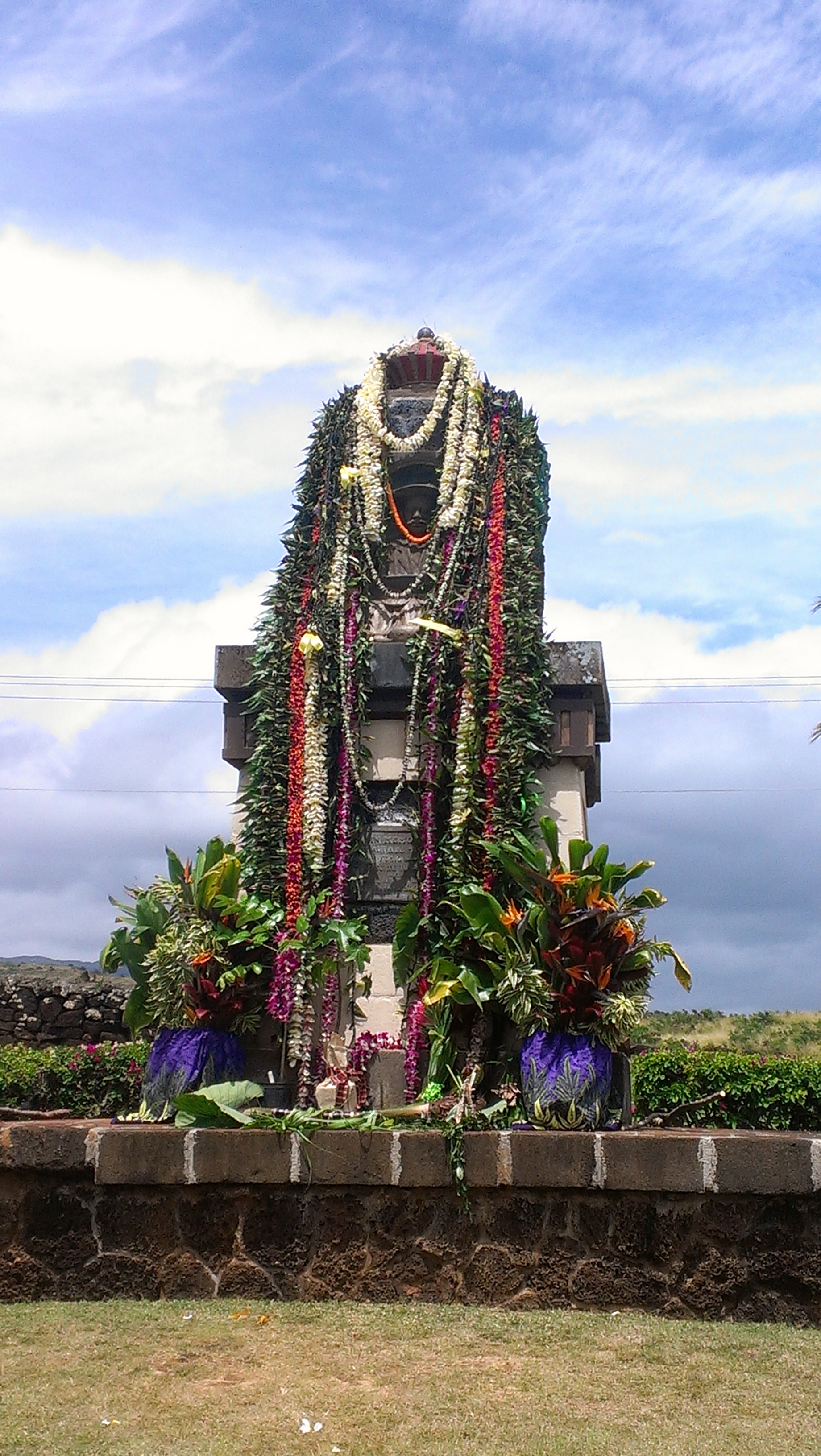
Ho’okupu for Prince Jonah Kūhiō Kalaniana’ole Pi’ikoi. This statue commemorates Ali’i Kūhiō at Prince Kūhiō Park in Kōloa. A celebration for aloha hali’a is held annually to honor this great Ali’i who did so much for Hawaiians in his life (1871-1922). http://princekuhio.net/

Hawaiian Word of the Day: pō’ulu

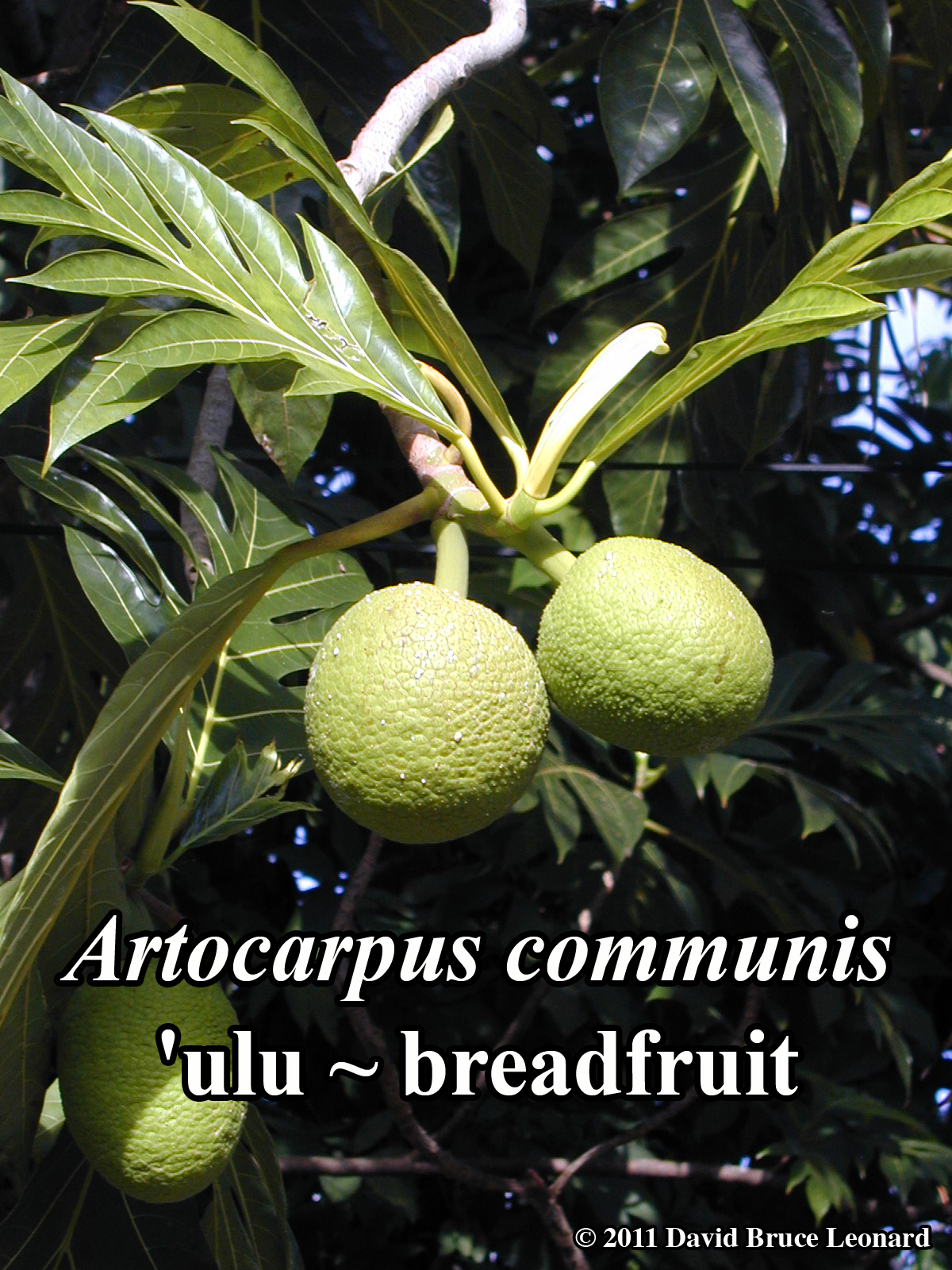
pō’ulu: Bark of tender breadfruit shoots, as used for less fine tapa (Pukui & Elbert, 1971).

OLYMPUS DIGITAL CAMERA

Hawaiian Word of the Day: ho’oki

ho’ōki: To put an end to, terminate, conclude, annul, to finish, stop; end.

Proto-Polynesian: oti.

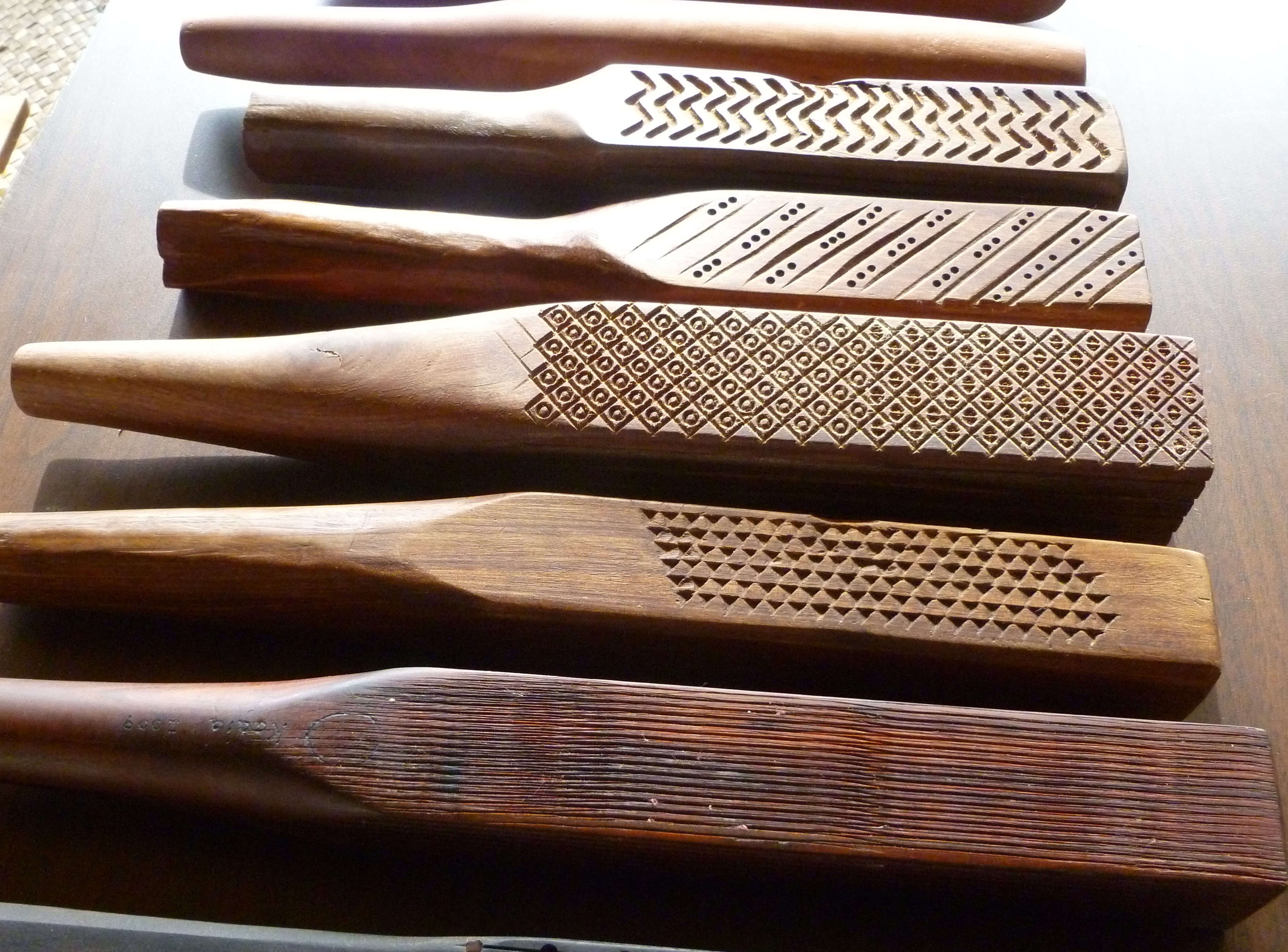
Stages of kapa-beating includes the final stage of ho’ōki, which requires using an i’e kuku ho’ōki with a watermark such as an ‘upena hālua niho mano, shark tooth with fishnet design.

P1020871

“The Tapa” History and Process, Part 3

Throughout the South Pacific islands, each island nation has its own particular nuances in making tapa cloth, which distinguishes it from another. Traditional techniques were passed down and were a life skill in the community. Making tapa cloth was done primarily by women. It is a women’s art that has changed only slightly since ancient times.

Generally speaking, in Western Polynesia a piece of tapa was produced by pasting sheets together in layers and then joining smaller pieces by pasting to make a larger cloth. A heavy, coarse material results from this method. Whereas in Eastern Polynesia a felting process was done, pounding pieces into a single layer, without a fusing agent, or paste. Gradually a large piece of cloth is built up using this felting process. And a softer product is the result.

The tapa cloth in Polynesia begins with a basic process of removing the inner bark, or bast, from the trees and soaking this inner part in water for several days to soften and ferment the fibers and get them ready for pounding into thin sheets. The paper mulberry trees (wauke) are grown for this purpose and carefully cultivated. They are allowed to grow six to eight feet high until one to two inches in diameter. The trees are constantly cared for and tended while they grow. Young branches are broken off to ensure consistent, straight fibers to make smooth, whole tapa sheets unmarred by holes.

Special tools are used in the fabrication of tapa cloth. A type of anvil, a wooden block usually, is a sort of table that the bark is placed on and from start to finish, the tapa is pounded, or beaten. Techniques involve special shells used like knives to strip off the outer bark lengthwise from the tree, and to remove the bast. A selection of carved, wooden beaters flattens and spreads the fibers. Starting with a rounded club, moving to a grooved style that has four parallel sides, serving as steps toward finishing a smooth final product.

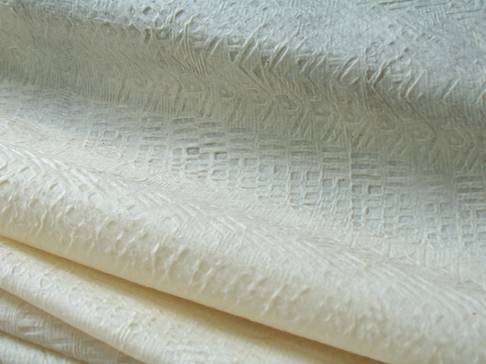
Additionally, Hawaiian tapa, or kapa cloth has a final step of beating, which leaves a watermark imprint on the cloth. This watermark is a unique carved design on a beater that served as the artist’s signature and finished the work in an important part of the felting process.
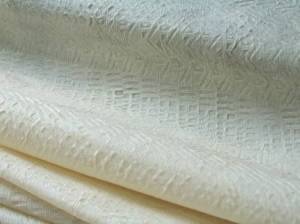
Kapa with watermark, at the California Academy of Sciences Natural History Museum, San Francisco

Kapa with watermark, made by Dalani Tanahy

Hawaiian Word of the Day: maoli

maoli: Native, indigenous, aborigine, genuine, true, real, actual; very, really, truly. Maika’i maoli, very good indeed. Kanaka maoli, ‘ōlelo maoli, Hawaiian native, Hawaiian language [so used in reports of 1852 legislative session]. E puka ai ka makemake maoli o ka mea koho, expressing the free will of the voter.

He Hawai’i au.

Hawaiian Word of the Day: ea

ea: 1. Sovereignty, rule, independence. La Ho’iho’i Ea, Restoration Day. Ho’iho’i i ke ea o Hawai’i, restore the sovereignty of Hawai’i. 2. Life, air, breath, respiration, vapor, gas; fumes, as of tobacco; breeze, spirit. This ea, as well as ea 1,3,4, is sometimes pronounced or sung ‘ea. eamama, eaolamama. Kaha ea, to deprive of rights of livelihood. Wai ea, aerated waters. Ho’opuka ea, exhaust fumes. Ua mau ke ea o ka ‘aina i ka pono (the motto of Hawai’i), the life of the land is perpetuated in righteousness. 3. To rise, go up, raise, become erect. aea, e’ea, ho’ea. Kai ea, rising sea. Ua ea kona po’o, his head was raised. 4. To smell. (Pukui & Elbert, 1971).

e ala e

e ala e

Post Navigation