kapa kulture
This blog is dedicated to Hawaiian kapa and matters related to Hawai'i nei…kuku kapa e!

Archive for the tag “sovereignty”
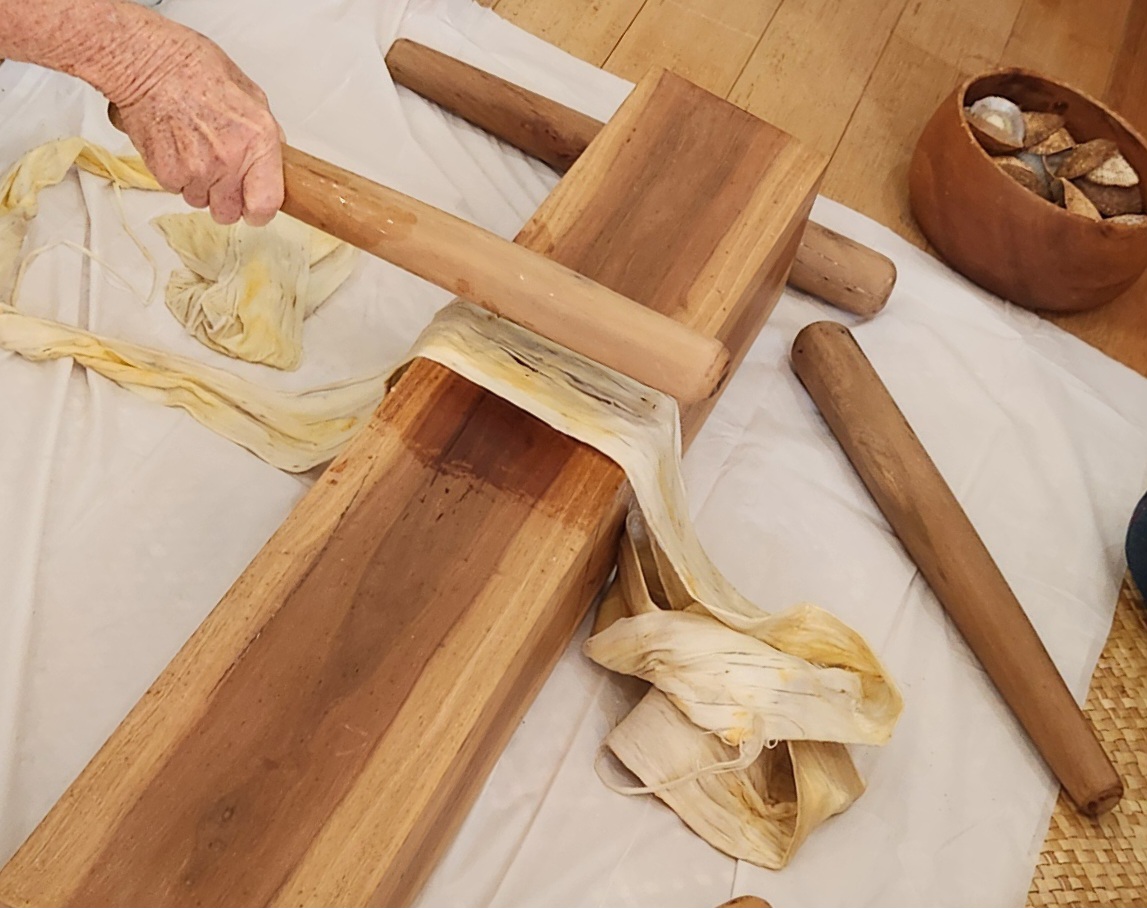
HALE KAPA, or Kapa House in English
New gallery shop opened in Lihu’e on Kaua’i, Hawai’i. It is a home for the Kapa Revival Project, a place to hold classes and workshops in the Hawaiian arts, especially kapa arts, and a place to see kapa on display and purchase tools for kapa making. There are also a number of beautiful island-style items for sale. Right now there are Christmas ornaments made with kapa and stamped with ‘ohe kapala, bamboo stamps in traditional Hawaiian motifs.

2981 Kalena Street, Lihu’e, HI. 96766
Hawaiian Word of the Day: kanu
kanu: To plant, bury; planting, burial. Fig., hereditary. Mea kanu, crops, plants. Kanu papahu wili, to set solidly into the ground by twisting in and then tamping with a post; lit., plant stick twist. He moʻopuna na kō lākou haku kanu, he was a grandson of their hereditary lord.
hoʻokanu. To cause to plant or bury, (Proto-Polynesian tanu).
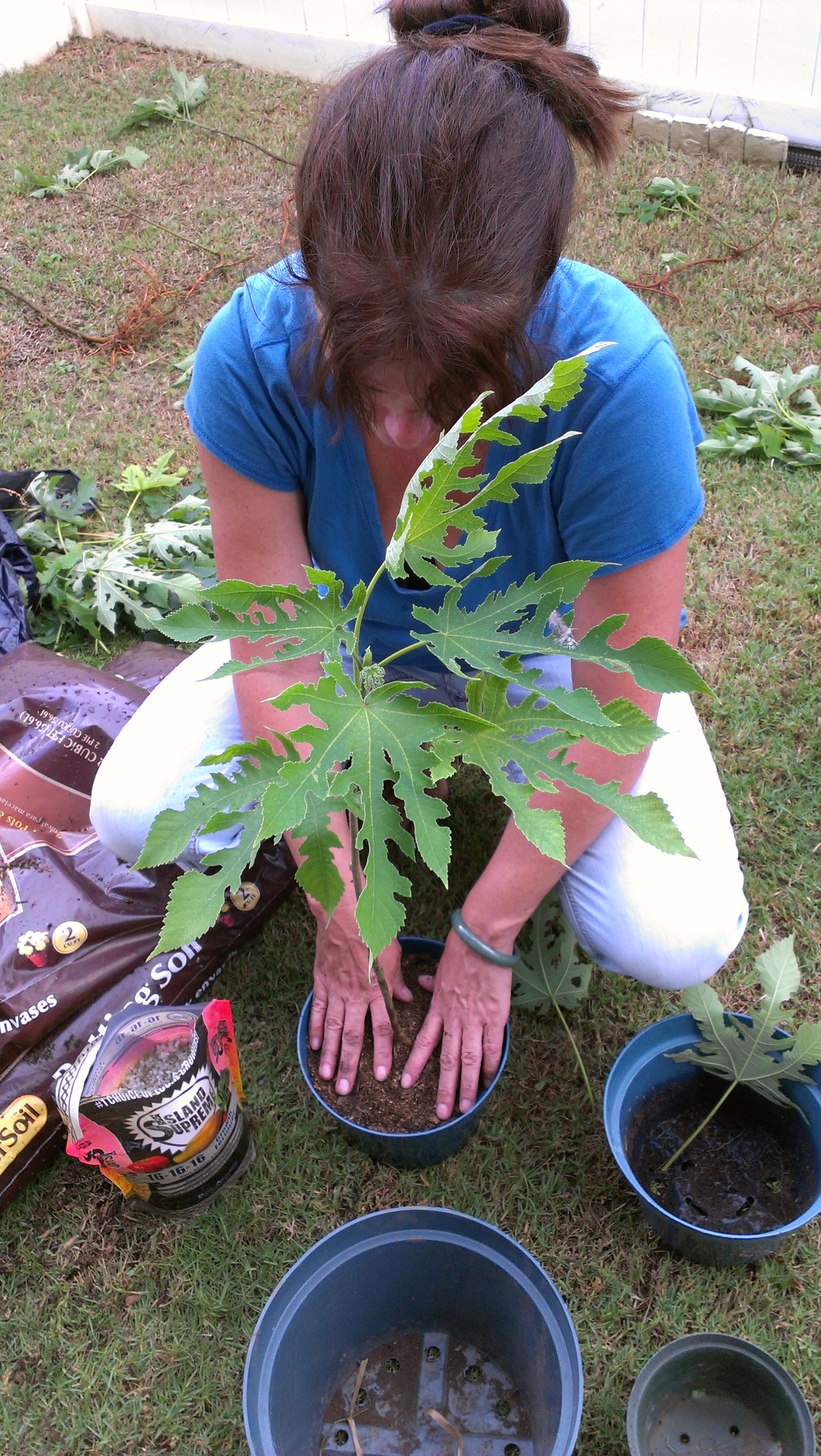
Kanu e ka mala wauke. (Plant the wauke garden.)
Bark Cloth on the Island of Uvea is Ngatu
Closely related to Tonga, the term for bark cloth in the island of Uvea is ngatu. Paper mulberry, Broussonetia papyrifera, or hiapo, is cultivated on the east coast where rainfall is heavy. Double layers of ngatu are beaten out and pasted together and are designed using freehand designs or kupesi-imprinted methods. If the kupesi pattern block is used, it is made form the midrib of leaf sewn to wads of leaf as in Tonga, and this is the traditional style for Uvea to make designs on the cloth.
Contemporary kupesi are carved in wood. Freehand painting is also done. The design motifs have changed over time from simple, repetitious patterns to modern designs that show a slice of life such as drinking kava, dancing, climbing trees, and fishing. Uses of ngatu include bed covers and screens, and clothing. There are two types of wrap-around skirts that are distinct in Uvea. One called a lafi that is decorated using the kupesi and then over-painted with black dye. The second is called a tohihina, which is decorated completely with freehand design using a pen in black dye on white ngatu cloth.
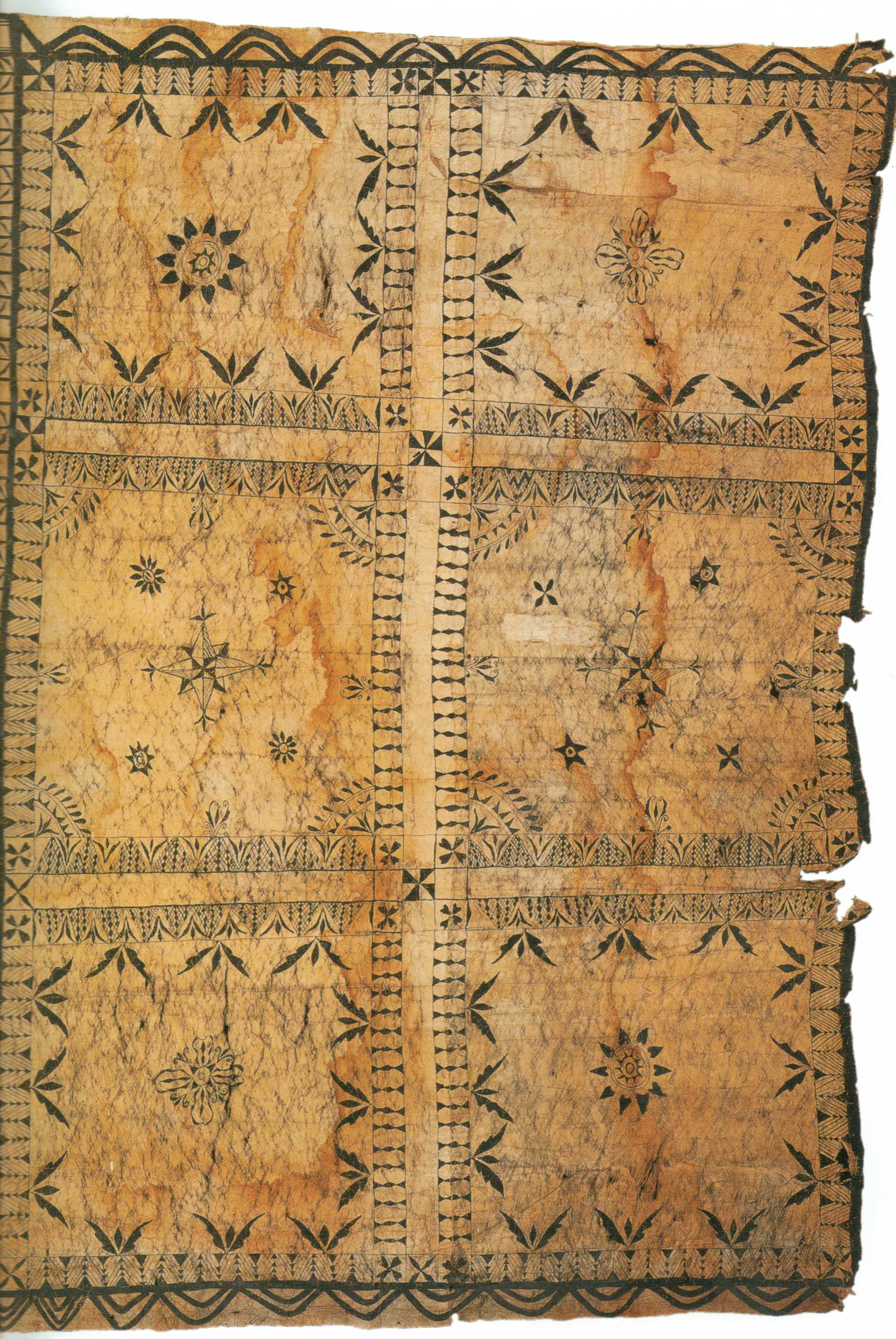
Ngatu of Uvea
Hawaiian Word of the Day: ʻāwīwī
ʻāwīwī: To hurry; speedy, swift, quick, fast.

ʻĀwīwī kēia ka’a. This car is fast.
Bark Cloth of the Cook Islands
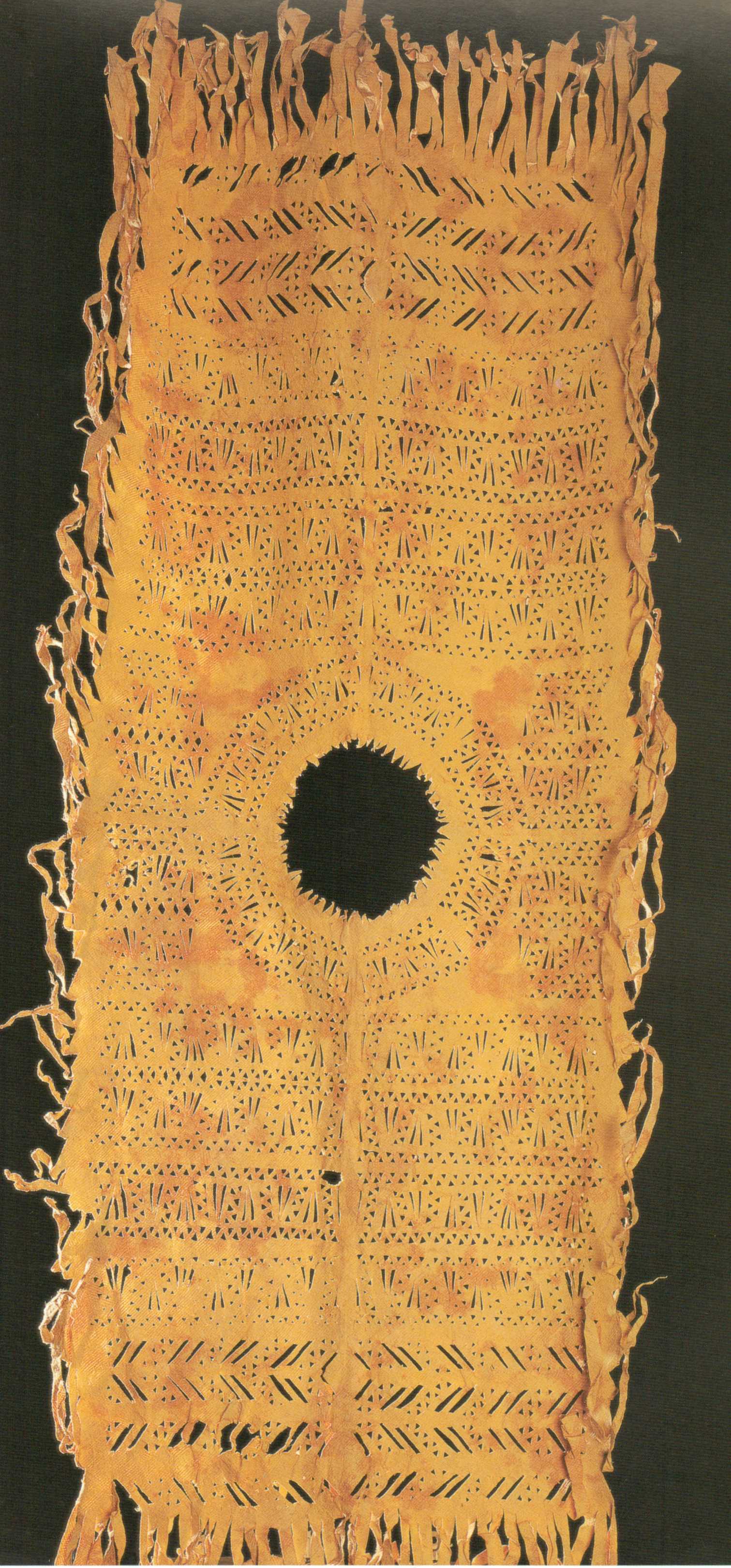
Cook Islands Tiputa
Tapa is the name used for bark cloth in the Cook Islands. In the northern Cook Islands the paper mulberry did not grow well. But it did grow in the southern Cook Islands and was made into tapa there. As in other Polynesian islands, the breadfruit tree bark and banyan bark were also used to make tapa. In the southern Cooks tapa was felted into a single layer, with no sign of joining.
Decorating the finished tapa was done with freehand painting, immersion in dye baths, or it was cut with designs in a patterned motif. The rubbing method using design tablets was not used in the Cook Islands. Diamond motifs, which were “associated with the sacred world of the gods,” were applied on masks using the freehand painting method. Masks were made and decorated in Mangaia and Rarotonga and they were used in pageants called eva, to remember gods and cultural heroes. These ceremonies also were performed in association with mourning.
Tiputa was worn as clothing in the Cook Islands, in the Tahitian style that is believed to have been the result of the strong missionary influence. The tiputa was fashioned as a long piece of tapa that had a hole cut into the middle to be worn on the body like a poncho. Pants were made too. Articles of clothing were cut at the edges in fringes and cuts were made throughout the article in repetitive patterns, as in Futuna.
In the Cook Islands, as elsewhere in Polynesia, making bark cloth was done by women. However, a special, heavier, white cloth called tikoru was made by men. This was a special ceremonial bark cloth that was used to wrap around god images and was the attire of priests and high chiefs. This use may reflect the connection to spiritual beliefs that the chief and priests are descendant from the gods themselves.
(Neich & Pendergrast, Pacific Tapa, 1997).
Te Papa Tongarewa Museum in Aotearoa~New Zealand~
Te Papa Tongarewa Museum in Aotearoa, New Zealand has an incredible collection of Pacific tapa on exhibit. The exhibition is on for 2 more days on site. Check out their awesome online tapa gallery by clicking on the link below!
Info about the onsite exhibit here:
Hawaiian Word of the Day: pōpoki
pōpoki: Cat (said by some to be derived from English “poor pussy”). Pōpoki kī, a spitting cat [spiteful, malignant person]. Pōpoki lehu, Maltese cat; lit., ash cat. Pōpoki nāwaliwali, weak cat [a weakling]. Pōpoki peʻelua, gray cat with darker markings, as a tabby cat; lit., caterpillar cat.
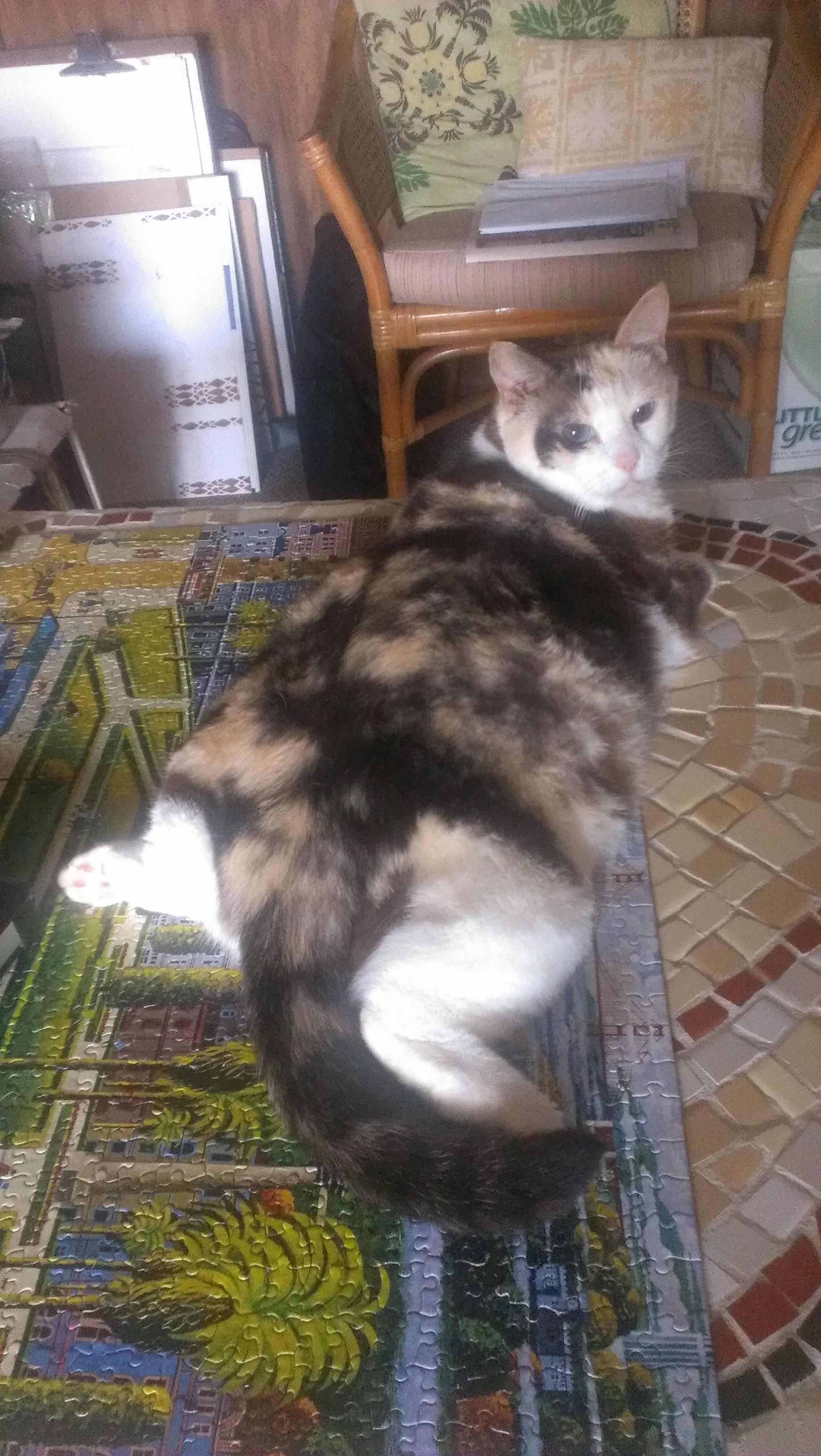
ko’u pōpoki, my cat
 kapa kulture