Hawaiian Word of the Day: na’au
na’au: Intestines, bowels, guts; mind, heart, affections; of the heart or mind; mood, temper, feelings. Fig., child.


na’au: Intestines, bowels, guts; mind, heart, affections; of the heart or mind; mood, temper, feelings. Fig., child.
pono’ī: Self, own; private, personal; directly, exactly. ‘O wau pono’ī, his own. Hawai’i pono’ī, Hawaii’s own [own people]. No’u pono’ī kēia, this is my own. I mua pono’ī, directly in front. ‘I’o pono’ī, own flesh and blood. Kona mana’o pono’ī, his personal opinion. Nā hana loio nona pono’ī iho, attorney’s private practice (Pukui & Elbert, 1971).
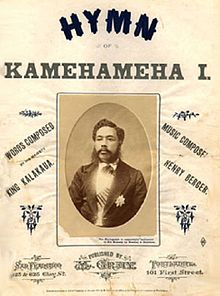
Hawai’i Pono’ī (The National Anthem of the Hawaiian Kingdom, words by King David Kalākaua, 1874)
Hawai`i pono`ī
Nānā i kou mō`ī
Ka lani ali`i,
Ke ali`i
Hui:
Makua lani ē,
Kamehameha ē,
Na kaua e pale,
Me ka ihe
Hawai`i pono`ī
Nānā i nā ali`i
Nā pua muli kou
Nā pōki`i
Hawai`i pono`ī
E ka lāhui e
`O kāu hana nui
E u`iē
Hawai’i’s own
Look to your King
The Royal Chief
The Chief
Royal Father
Kamehameha
We shall defend
With spears
Hawai’i’s own
Look to your Chiefs
The children after you
The young
Hawai’i’s own
O Nation
Your great duty
Strive
As I was doing research for a timeline on Hawaiian history I came across a fellow by the name of Ken Conklin. At first, I thought I had stumbled upon a well-researched document of unbiased truth. As I continued to read through Mr. Conklin’s references, http://www.angelfire.com/hi2/hawaiiansovereignty/references.html … I was impressed by the wide variety of sources and annotations he listed. But the further down I got in his list, I realized that this man was voicing bigoted sentiment about Hawaiians who believe in a Hawaiian Nation, or Hawaiian Sovereignty in any form. In fact he doesn’t hide his brazen disdain. He ignores the facts of dispossessed Hawaiians… losses in land, culture, and language resulting from historical events.
I bring this up because others might share the views of Mr. Conklin. To these people, I would say, there are two sides to every story. Rationalizing what Conklin calls “the concept that there is no historical, legal, or moral justification for race-based political sovereignty for ethnic Hawaiians” is a clear case of more of the same from hypocrites and thieves… As history has shown, Hawaiians have been of generous spirit and inclusive to the point of our own detriment. Sorry if some people don’t agree with me on this.

e ala e
kahiki:1. Tahiti. holokahiki. Holo i Kahiki, sail to Tahiti. The sky was divided into five areas beginning with the term Kahiki: Kahiki-moe, horizon; lit., prostrate Kahiki. Kahiki-kū, sky just above the horizon; lit., upright Kahiki. Kahiki-ka-papa-nu’u, the next layer; lit., Kahiki the elevated stratum. Kahiki-kapapa-lani, high in the sky, almost directly overhead; lit., Kahiki the sky (or god) stratum. Kahiki-kapu-i-Hōlani-ke-ku’ina, the sky directly overhead; lit., sacred Kahiki at Hōlani the meeting place. 2. Any foreign country, abroad, foreign. 3. A variety of banana, common wild on Maui. Kinds are kahiki hae, kahiki mauki, and kahiki puhi.

Hōkūle’a me ke Kahiki
makua: Parent, any relative of the parents’ generation, as uncle, aunt, cousin,; progenitor; Catholic father; main stalk of a plant; adult; full-grown, mature, older, senior. Fig., benefactor, provider, anyone who cares for one; the Lord (God). Kamika Makua, Smith Senior. Ē ka Makua (Ka Nonanona, beginning of a letter, Sept. 5, 1843), Sire. Makua Laiana, Father Lyons [the Hawaiians’ name for the Rev. Lorenzo Lyons, 1807-1886]. ‘O kö mäkou Makua i loko o ka lani, our Father who art in heaven. ho’omakua. To grow into maturity, mature; to act the part of a parent; to foster, adopt; as a child; to call or treat as a parent; to address as a parent, aunt, or uncle one related by affection rather than by blood or adoption; to become established or permanent. Ua ho’omakua aku au nona, I became his parent or guardian (Pukui & Elbert, 1971).
palapala: 1. Document of any kind, bill, deed, warrant, certificate, policy, letter, tract, writ, diploma, manuscript; writing of any kind, literature; printing on tapa or paper; formerly the Scriptures or learning in general; to write, send a written message. 2. Maui name for pualu, a fish. 3. Variation of name for maomao, a fish (Pukui & Elbert, 1971).

Palapala to the U.S. written by Queen Lili’uokalani
hali’a: Sudden remembrance, memory, especially of a loved one; fond recollection, premonition; to recall, recollect fondly. Hali’a aloha, cherished or loving memory; to remember fondly. ho’ohali’a. To evoke reminiscence or recollection; remembrance; to remind (Pukui & Elbert, 1971)..
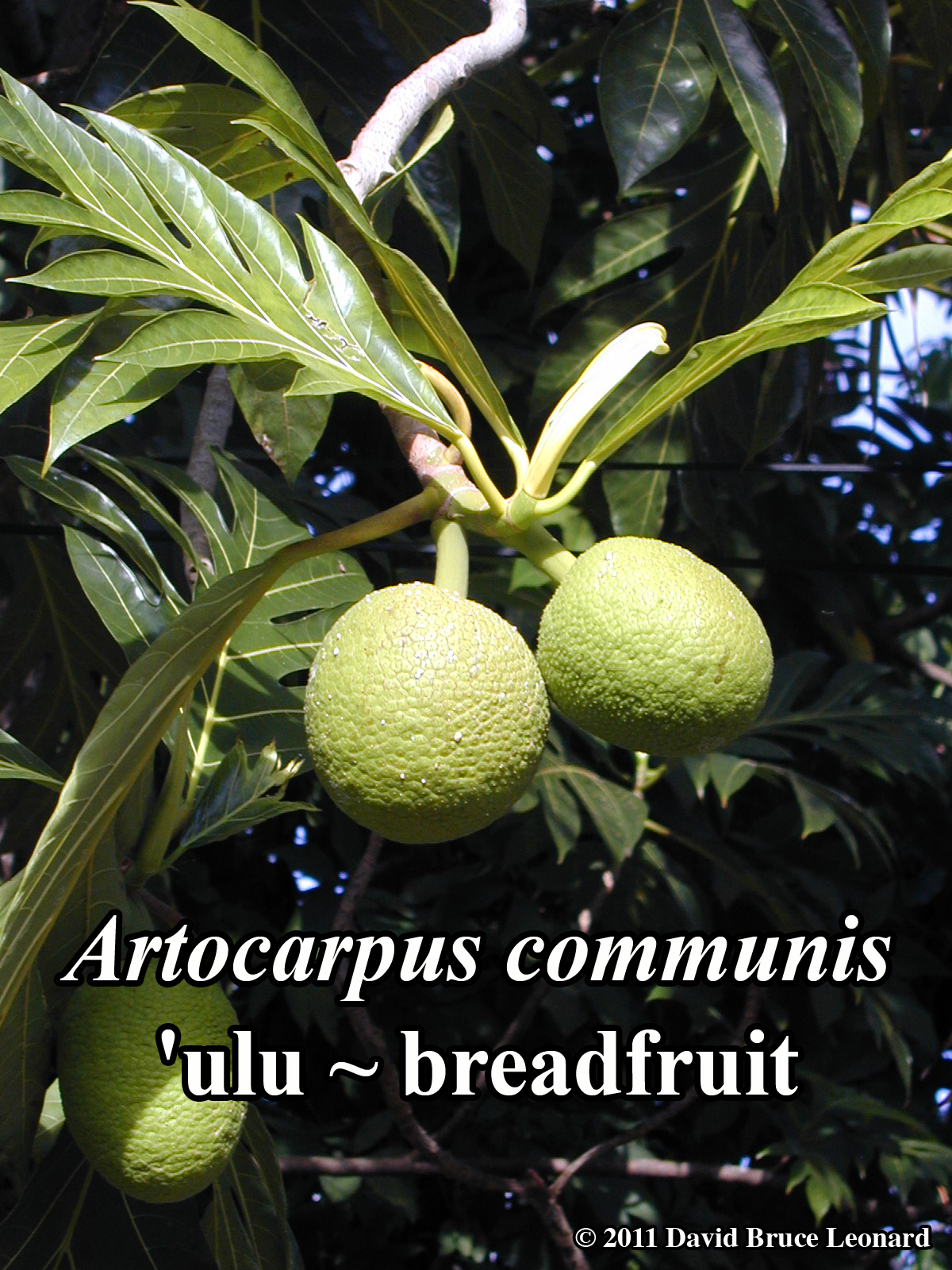
pō’ulu: Bark of tender breadfruit shoots, as used for less fine tapa (Pukui & Elbert, 1971).
ho’ōki: To put an end to, terminate, conclude, annul, to finish, stop; end.
Proto-Polynesian: oti.
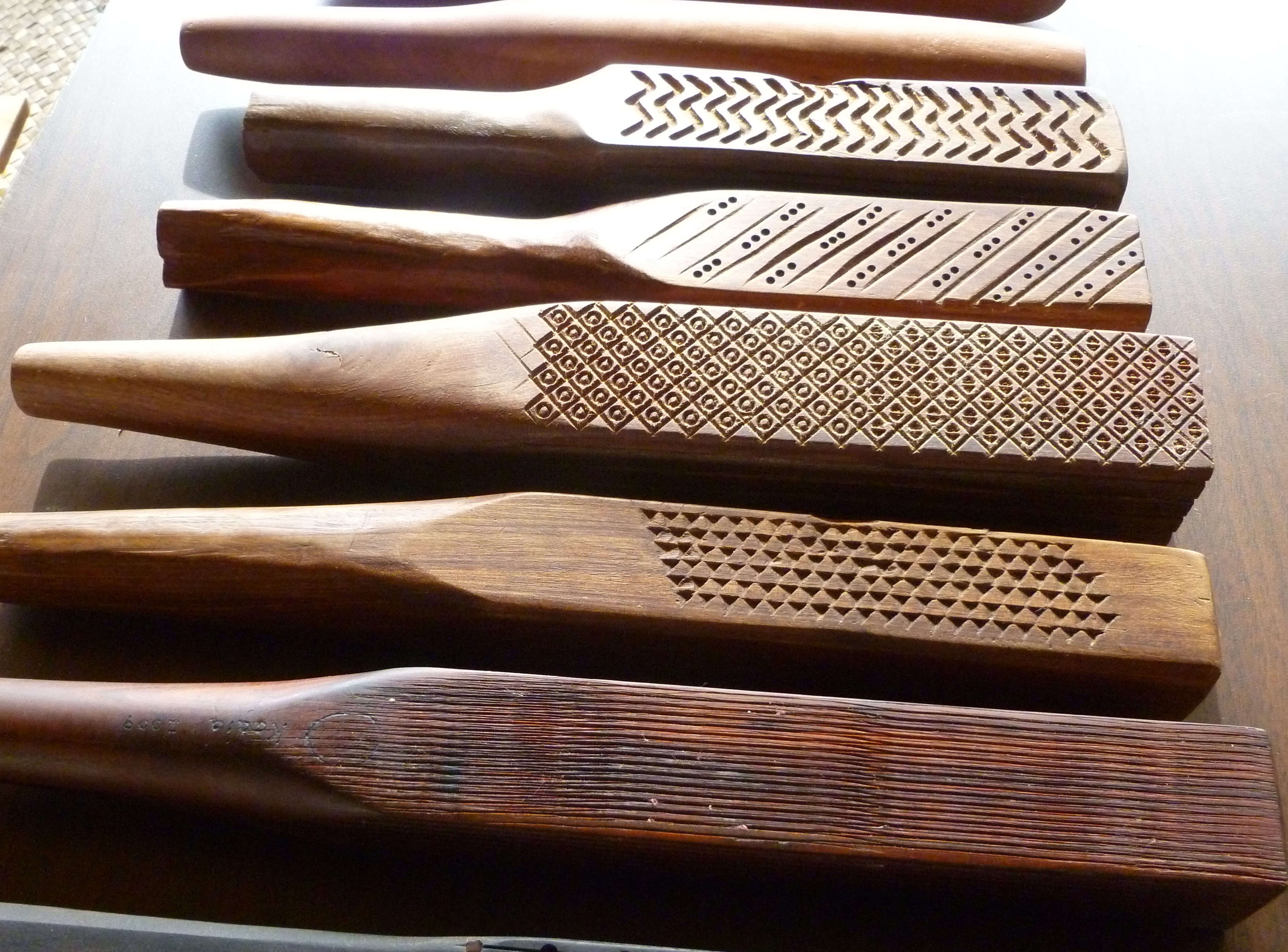
Stages of kapa-beating includes the final stage of ho’ōki, which requires using an i’e kuku ho’ōki with a watermark such as an ‘upena hālua niho mano, shark tooth with fishnet design.
Throughout the South Pacific islands, each island nation has its own particular nuances in making tapa cloth, which distinguishes it from another. Traditional techniques were passed down and were a life skill in the community. Making tapa cloth was done primarily by women. It is a women’s art that has changed only slightly since ancient times.
Generally speaking, in Western Polynesia a piece of tapa was produced by pasting sheets together in layers and then joining smaller pieces by pasting to make a larger cloth. A heavy, coarse material results from this method. Whereas in Eastern Polynesia a felting process was done, pounding pieces into a single layer, without a fusing agent, or paste. Gradually a large piece of cloth is built up using this felting process. And a softer product is the result.
The tapa cloth in Polynesia begins with a basic process of removing the inner bark, or bast, from the trees and soaking this inner part in water for several days to soften and ferment the fibers and get them ready for pounding into thin sheets. The paper mulberry trees (wauke) are grown for this purpose and carefully cultivated. They are allowed to grow six to eight feet high until one to two inches in diameter. The trees are constantly cared for and tended while they grow. Young branches are broken off to ensure consistent, straight fibers to make smooth, whole tapa sheets unmarred by holes.
Special tools are used in the fabrication of tapa cloth. A type of anvil, a wooden block usually, is a sort of table that the bark is placed on and from start to finish, the tapa is pounded, or beaten. Techniques involve special shells used like knives to strip off the outer bark lengthwise from the tree, and to remove the bast. A selection of carved, wooden beaters flattens and spreads the fibers. Starting with a rounded club, moving to a grooved style that has four parallel sides, serving as steps toward finishing a smooth final product.
Additionally, Hawaiian tapa, or kapa cloth has a final step of beating, which leaves a watermark imprint on the cloth. This watermark is a unique carved design on a beater that served as the artist’s signature and finished the work in an important part of the felting process.
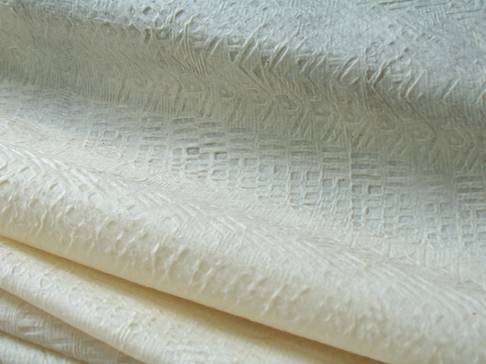
Kapa with watermark, made by Dalani Tanahy
 kapa kulture