kapa kulture

This blog is dedicated to Hawaiian kapa and matters related to Hawai'i nei…kuku kapa e!

Archive for the tag “‘Olelo Hawai’i”

Hawaiian Word of the Day: heiau

heiau: Pre-Christian place of worship, shrine; some heiau were elaborately constructed stone platforms, others simple earth terraces. Many are preserved today. Several types are listed below. On the island of Kauaʻi where I live, there are 17 heiau located in the Na Pali district, 22 in the district of Haleleʻa, 20 in the Koʻolau district, 13 in the Puna district, and 81 in Kona district. Dedication of these heiau were to the four major gods; KU, KANE, KANALOA, and LONO, who represented Akua in natual phenomena. ʻAumakua were also honored by prayer and offerings.

Hale heiau, house of worship.

heiau hoʻōla: Heiau for treating sick.

heiau hoʻouluʻai: Heiau where first fruits were offered to insure further growth. Lit., heiau for the increase of food crops.

heiau hoʻoulu ua: Heiau where offerings were made to insure rain.

heiau hoʻoulu iʻa: Heiau where fish were offered to insure good fishing.

heiau kālua ua: Heiau for stopping rain, or (less frequently) for bringing rain. One such heiau named Imu-Kālua-ua (rain-baking oven) was in the Kaunakakai quadrangle, Molokaʻi; a land section in Puna, Hawaiʻi, also has this name. Rain in leaf packages is said to have been baked in an oven.

heiau maʻo: Small temporary heiau covered with tapa stained green (maʻo). Used for the hoʻouluʻai ceremony to bring food.

heiau poʻo kanaka: Heiau where human sacrifice was offered.

heiau waikaua: Heiau used for services to bring success in war.

luakini: Temple, church, cathedral, tabernacle; large heiau where ruling chiefs prayed and human sacrifices were offered; to perform temple work.

Luakini-type heiau were the largest and most complex and were sacrificial to KU. The KANE heiau were the simplest and were accessible to commoners. LONO heiau were dedicated to agriculture, and KANALOA heiau were associated with fishing. KU and LONO required complex worship and offerings.

Puʻu honua were places of refuge and restoration of pono when kapu was broken. The puʻu honua were consistent with Hawaiian protocol and would not be adjacent to heiau where human sacrifice was conducted. For example, at the puʻu honua at Wailua, Kauaʻi were for royal birth and burial. At such a place of mana and esteem, respite and peace was sought and mau haʻa lelea or repentance was made.
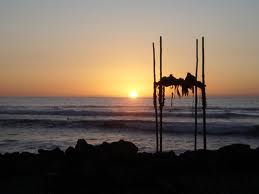
heiau tower

http://www.kaimi.org/heiau.htm

Moʻokini Luakini

Hawaiian Word of the Day: hānai

hānai: 1. Foster child, adopted child; foster, adopted. Keiki hānai, foster child. Lawe hānai, to adopt a child. Makua hānai, foster parent. Kāna hānai, his adopted child. 2. To raise, rear, feed, nourish, sustain; provider, caretaker (said affectionately of chiefs by members of the court). Hānai holoholona, to feed and care for domestic animals. Makamaka hānai, generous and hospitable friend. Hānai ā momona, to fatten. Hānai maila ʻoia iāia meli, he fed him the honey. 3. Body of a kōkō net carrier, and cords attached to it; fish net or trap, as for ʻoʻopu fish; kite.

akua hānai: 1. Spirits, as of a recently dead kinsman, who were fed (hānai) offerings (such as food) and sent out to destroy an enemy. 2. The kauila, nioi, and the ʻohe “poison” woods of Molokaʻi, which were kept by sorcerers in their houses, wrapped in tapa, and to which food offerings were made daily; scraps of these woods were used as poison, and poison itself was sometimes called akua hānai.

hānaiāhuhu: To make a pet of an animal; to care for well, as a pet; cherished plans, pet projects. Eia kekahi mau hānaiāhuhu a ke aupuni, here are some favorite plans of the government.

hanaina: Feeding. Eia mai ka moa i hanaina lā, here is the rooster fed in the sun; the cock fed in the sun was believed strong because of turning his head to avoid heat.

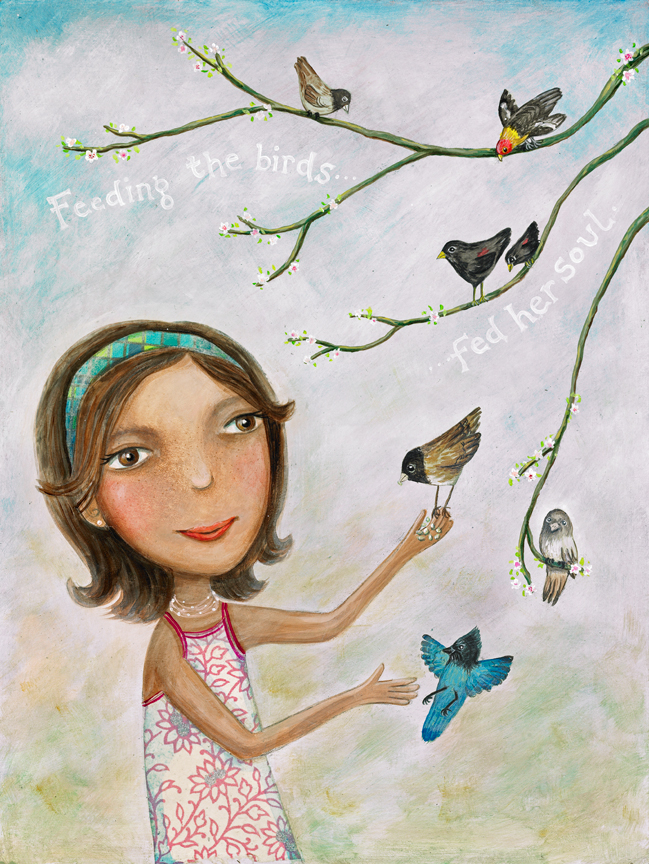
Feeding the Birds, by Joanna Dover

Feeding the Birds, by Joanna Dover

art work by Joanna Dover

Hawaiian Word of the Day: leʻa

leʻa: 1. Joy, pleasure, happiness, merriment; sexual gratification, orgasm; pleasing, gay, delightful, happy, merry; delighted, pleased. hoʻo.leʻa. To cause pleasure, joy; to praise, please, delight, extol; praising, eulogistic. Haʻiʻōlelo hoʻoleʻa, eulogistic speech. ʻEhā kaukani hoʻi i hoʻoleʻa iʻa Iēhowa me nā mea kani aʻu i hana ai i mea hoʻoleʻa, four thousand then praised Jehovah with the playing instruments I made as praising things. 2. Clearly, perfectly, thoroughly, successfully. kāleʻa, kūleʻa. Haʻi leʻa, to describe fully and clearly; one skilled in clear, full explanation. Holo leʻa, to progress smoothly, successfully. ʻIke leʻa, to see clearly. Maopopo leʻa, obvious, clearly evident. Moʻa leʻa, thoroughly cooked. 3. Capitalized: Leʻa: The zenith star Arcturus. Also Hōkū-leʻa, star of gladness.

shaka!

Hawaiian Word of the Day: aloha ʻāina

aloha ʻāina: Love of the land or of one’s country, patriotism; the name of a Hawaiian-language newspaper published 1893-1920; aloha ʻāina is a very old concept, to judge from the many sayings (perhaps thousands) illustrating deep love of the land.

096

Hawaiian Word of the Day: ʻumeke

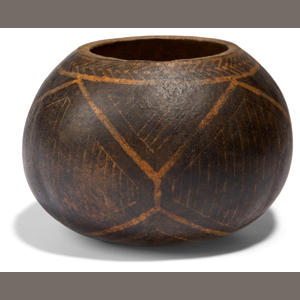
ʻumeke: Bowl, calabash, circular vessel, as of wood or gourd. ʻUmeke kāʻeo, a well-filled calabash [a well-filled mind]. ʻUmeke pala ʻole, calabash without a dab [empty bowl, empty mind]. hoʻo.ʻumeke, hōʻumeke. To assume the shape of a bowl; to assume the shape of fruit, to bear fruit. Fig., to have enough to eat. E pua ana ka ʻōhiʻa ʻai a hōʻumeke i ka malama o Hinaiaʻeleʻele, the mountain apple blooms and fruits form in the month of Hinaiaʻeleʻele.

ipu umeke

ʻumeke ʻai: Poi bowl. Fig., source of food, of the uplands.
ʻumeke ipu kai: Bowl, as for serving meat or salty meat.
ʻumeke kepekepe: Bowl with horizontal flat panels. Lit., wedged bowl.
ʻumeke lāʻau: Wooden bowl.
ʻumeke mānaʻai: Very small bowl, as formerly used for poi by favorite children. Lit., poi mouth-fed bowl.
ʻumeke ʻōpaka: Bowl with vertical panels with vertical edges between them.
ʻumeke palapaʻa: Thick-bottomed wooden calabash. Lit., firm-dabbed bowl, perhaps so called because dabs of poi are held firm in this type of calabash that does not upset.
ʻumeke pāwehe: A decorated gourd bowl, as made on Niʻihau.
ʻumeke pōhue: Gourd calabash.

ipu-umeke

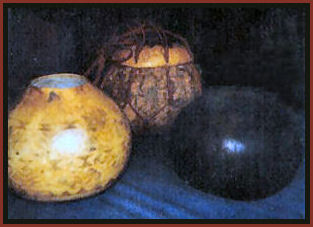
Photo found on the Kaʻahele Hawaiʻi Website. Click below to access more information on Hawaiian ipu and more resources for Hawaiian culture and arts.

Na Ipu O Hawaiʻi

Hawaiian Word of the Day: Honi

honi: 1. To kiss; a kiss; formerly, to touch noses on the side in greeting. Hele akulu ʻo lakoba, a honi aʻela iāia, Jacob came near and kissed him. hoʻo.honi: To cause or pretend to kiss. 2. To smell, sniff, scent; a scent. hoʻo.honi. 3. To touch, as a match to a combustible.

<a href="http://immersionhawaii.wordpress.com/2013/03/12/honi/“>HONI- IMMERSION HAWAIʻI WEBSITE

HONI

HONI

HONI – MAUI ANGELS WEBSITE

Long Live Kapa! E Ola Mau Ke Kapa!

On Kapa the World
by Anuhea Yagi
June 09, 2011 | 12:15 PM

Two years ago, the following press release was written to announce an event commemorating the annual holiday for King Kamehameha I. The event was held at the Bailey House Museum on Maui…

“Hawaiian historian Samuel Kamakau wrote in 1870, that “all are dead who knew how to make the coverings… that made the wearers look dignified and proud and distinguished.” But the art of Hawaiian kapa-making (i.e. a painstakingly rendered traditional fabric made from the bast fibers of, often, paper mulberry called wauke) was revived some 100 years later—and in 1987, cultural practitioners Wesley Sen, Hokulani Holt and Pua Van Dorpe held kapa-making workshops at the Bailey House Museum.

Returning to the roots of this revitalization—and in honor of Kamehameha Day—Holt and Sen, with the Maui Historical Society and Bailey House Museum, present Hina & Maui: The Story of Hawaiian Tapa Making (Ka Mo’olelo no ke Kapa o Hawai’i Nei) this Friday. Holt has written original hula and chant that tells the legend of Hina and Maui, while Sen has fashioned one-of-a-kind costumes made of traditional kapa for the performers. In addition to the performance, antique kapa from the museum’s collection will be exhibited, plus a presentation on kapa-making by Sen.”

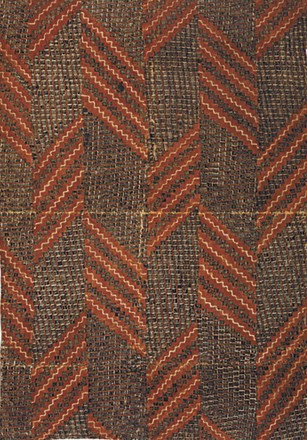
(Pictured: Hawaiian kapa, 18th century, Cook-Foster Collection at Georg-August University in Göttingen, Germany)

(Pictured: Hawaiian kapa, 18th century, Cook-Foster Collection at Georg-August University in Göttingen, Germany)

Hawaiian Word of the Day: kaona

kaona: Hidden meaning, as in Hawaiian poetry; concealed reference, as to a person, thing, or place; words with double meanings that might bring good or bad fortune. Kaona ho’oʻinoʻino, pejorative innuendo. No wai ke kaona o kēlā mele? Who is being referred to in veiled language in that song?

Hawaiian Word of the Day: kapaʻau

kapaʻau: Raised place in the heiau where images and offerings were placed, and where the invisible gods were thought to dwell.

Kapaʻau is also the name of a place in North Kohala on Hawaiʻi Island. This is the birthplace of King Kamehameha I and nearby is the Moʻokini Heiau, one of the oldest and most sacred sites of ancient worship in Hawaiʻi. Moʻokini is literally many moʻo or many lineages.

Kamehameha statue in Kapaʻau, with school children from plantation families, 1908

Kamehameha statue in Kapaʻau, with school children from plantation families, 1908

Hawaiian Word of the Day: kāmau

kāmau: To keep on, continue, persevere, last, add a little more.
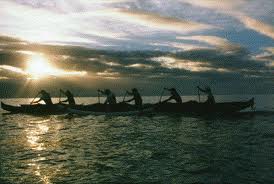
Kahi pono e kāmau ai ke aho, some goods to keep life going. E kāmau iho i ka hoe, keep paddling.

paddlers

e ala e

e ala e

Post Navigation