kapa kulture

This blog is dedicated to Hawaiian kapa and matters related to Hawai'i nei…kuku kapa e!

Archive for the tag “hawaiian culture”

Long Live Kapa! E Ola Mau Ke Kapa!

On Kapa the World
by Anuhea Yagi
June 09, 2011 | 12:15 PM

Two years ago, the following press release was written to announce an event commemorating the annual holiday for King Kamehameha I. The event was held at the Bailey House Museum on Maui…

“Hawaiian historian Samuel Kamakau wrote in 1870, that “all are dead who knew how to make the coverings… that made the wearers look dignified and proud and distinguished.” But the art of Hawaiian kapa-making (i.e. a painstakingly rendered traditional fabric made from the bast fibers of, often, paper mulberry called wauke) was revived some 100 years later—and in 1987, cultural practitioners Wesley Sen, Hokulani Holt and Pua Van Dorpe held kapa-making workshops at the Bailey House Museum.

Returning to the roots of this revitalization—and in honor of Kamehameha Day—Holt and Sen, with the Maui Historical Society and Bailey House Museum, present Hina & Maui: The Story of Hawaiian Tapa Making (Ka Mo’olelo no ke Kapa o Hawai’i Nei) this Friday. Holt has written original hula and chant that tells the legend of Hina and Maui, while Sen has fashioned one-of-a-kind costumes made of traditional kapa for the performers. In addition to the performance, antique kapa from the museum’s collection will be exhibited, plus a presentation on kapa-making by Sen.”
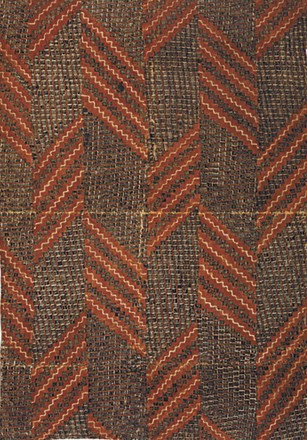
(Pictured: Hawaiian kapa, 18th century, Cook-Foster Collection at Georg-August University in Göttingen, Germany)

(Pictured: Hawaiian kapa, 18th century, Cook-Foster Collection at Georg-August University in Göttingen, Germany)

Hawaiian Word of the Day: kaona

kaona: Hidden meaning, as in Hawaiian poetry; concealed reference, as to a person, thing, or place; words with double meanings that might bring good or bad fortune. Kaona ho’oʻinoʻino, pejorative innuendo. No wai ke kaona o kēlā mele? Who is being referred to in veiled language in that song?

Hawaiian Word of the Day: kapaʻau

kapaʻau: Raised place in the heiau where images and offerings were placed, and where the invisible gods were thought to dwell.

Kapaʻau is also the name of a place in North Kohala on Hawaiʻi Island. This is the birthplace of King Kamehameha I and nearby is the Moʻokini Heiau, one of the oldest and most sacred sites of ancient worship in Hawaiʻi. Moʻokini is literally many moʻo or many lineages.

Kamehameha statue in Kapaʻau, with school children from plantation families, 1908

Kamehameha statue in Kapaʻau, with school children from plantation families, 1908

Sovereignty inspired at Kahoʻolawe

It is common knowledge that the Hawaiian Monarchy was illegally overthrown with the help of the United States military in 1893. Hawaiʻi was annexed as a territory to the United States illegally in 1898. The Hawaiian Islands became the 50th state in 1959.

“…And in our effort to appear American, we sought to bury that which was Hawaiian. We reorganized our Hawaiian-ness to conform with tourism’s and Hollywood’s pictures of Hawaiians” (p 95).

After decades of discrimination and dispossession, a movement coined the Hawaiian Renaissance began in the 1970’s. It was a turning point and a source of empowerment for Hawaiians.

“On the fourth of January, 1976, Hawaiian resistance broke through the surface. On that day, George Jarret Helm, Jr., Noa Emmett Aluli, Walter Ritte, Jr., and six other young Hawaiians illegally landed on the island of Kahoʻolawe to protest military use of Hawaiian land [for bombing practice and military exercises]” (p. 95).

“If the Dick and Jane books not going to make you proud of who you are, Kahoʻolawe is going to.” ~George Jarret Helm, Jr.

“George Helm and the Protect Kahoʻolawe ʻOhana sought their vision for the future in the wisdom of the past. The struggle for Kahoʻolawe was as cultural as it was political. The leaders of the movement went to kūpuna and kāhuna for guidance that comes from the Hawaiian past and for advice to help restore what is Hawaiian for the present and the future” (p. 97).

“One by one, and then by twos and threes and fours, people and groups rallied to the cause. Save Mākua, Save Sand Island, Save Waimānalo, Save Anahola, Save Kaʻū, Save Wao Kele O Puna, Save Honokahua, Save Hālawa Valley, Save Sunset Beach, Save Miloliʻi: Life of the Land, Pele Defense Fund, Ka ʻOhana o Ka Lae, Ka Lāhui Hawaiʻi, the Hawaiian Nation. Hawaiian voices rose in protest, protest against wrongs done in the past, against abuse in the present, against the loss of Hawaiʻi in the future” (p 99).

In 1992, the United States returned Kahoʻolawe to the people of Hawaiʻi…

Excerpts from “Then There Were None” by Martha H. Noyes (pp.95-97, 2003)

Operation Sailor Hat on Kahoʻolawe, 1965

Operation Sailor Hat on Kahoʻolawe, 1965

Map of Hawaiʻi showing Kahoʻolawe

Map of Hawaiʻi showing Kahoʻolawe

Island of Kahoʻolawe

Island of Kahoʻolawe

George Helm

Kaho’olawe Aloha ʻĀina

Population Decline of Native Hawaiians

The Native Hawaiian population decrease rose at an alarming rate since the first notable contact with Westerners in 1778. Disease was a major factor in this decline. Smallpox, cholera, and even the flu were introduced, and then decimated the Hawaiian people in record numbers. Venereal disease such as gonorrhea also had an additionally insidious effect of sterilizing its victims!

The perfection of the marine chronometer aided European cartographers in map making and was a primary reason for increased foreign invasion in the Hawaiian Islands. When the Hawaiian Islands were charted on maps beginning in the 1700’s, sailors, merchants, and missionaries came in droves until devastating consequences were reflected in cultural losses, loss of lands, way of life, and most importantly, decreasing numbers of the Hawaiian people.

Foreigners were instrumental in exploiting the natural resources in the region. Discovery that large profits could be made from the whaling industry, the sandalwood trade, and the subsequent development of sugar plantations brought famine, cultural disruption, and intermarriage to Hawaiian families. Combined with diseases, these factors had a fatal effect on the population of Native Hawaiian people.

In 2003, only 5000 individuals identified themselves as Native Hawaiian. This figure does not include races that identify themselves as part-Hawaiian, which is an independent category. In 2010, the United States Census combined all races from the Pacific Island region into one category and counted 540,013 individuals. This category includes people from the Philippines, Guam, Micronesia, Samoa, Tonga, and other island nations.

Population Decline of Native Hawaiians

Population Decline of Native Hawaiians

Walaʻau–talking story

I spent my day yesterday playing around with some natural dyes I’ve collected, and dye mediums. I practiced printing designs with my ʻohe kāpala (bamboo stamps). This is one of my practice pieces done on watercolor paper with kukui nut ashes (grey) and ʻalaea (red).

kapa wehi

kapa wehi

I used kukui nut oil mixed with water as the medium for the ‘alaea. It made a good consistency that enabled the pigment to be both dark enough and fluid enough for printing. The kukui ash did not work well with oil and/or water. I ended up using it dry and applied it using a small piece of kapa as a brush. This method of “dry painting” with a tapa brush was noted by Te Rangi Hiroa (Peter H. Buck) who was a director at the Bishop Museum from 1936 until he died in 1951. Among his many achievements, Buck wrote a series of scholarly publications entitled “Arts and Crafts of Hawaii” (1964) in which he wrote on various subjects of Hawaiian cultural life. Clothing, was one of the sections and it includes a pretty thorough discussion of Hawaiian kapa history, tools, and processes. Some other sections in the Arts and Crafts of Hawai’i series are food, houses, canoes, fishing religion, war and weapons, death and burial, and more.

Hawaiian Word of the Day: lau

lau: 1. Leaf, frond, leaflet, greens; to leaf out. Lau is sometimes contracted to lā-, as lā’ī, lāʻie, lāʻō. ho’olau. to grow leaves; to leaf out. 2. Dragnet, seine, so called because formerly made of ti leaves (lau) tied to a rope. Hukilau, lauahi, lauʻapoʻapo, laukō. ho’olau. (a) To use a lau. (b) A bundle of grass or ferns set in water to attract shrimps or ʻoʻopu fish; a net was placed under this bundle, and the fish shaken into it. (Proto-Polynesian rau.) 3. Sheet; surface; blade, as of grass. 4. To be much, many; very many, numerous; four-hundred. Lau ā lau nā hōkū o ka lani, hundreds and hundreds of stars in the heaven. Lau lena ka pua o ka māmane, the māmane is yellow with blossoms. ho’olau. To make numerous; to assemble, as of numerous persons or animals; numerous. 5. Pattern, as for quilts; design; print of a cloth. Pāhoehoe lau, brocaded satin. 6. Thatched mountain hut, as used by farmers, canoe-makers, bird catchers. 7. Tip, as of the tongue; top (probably related to wēlau and ʻēlau, tip). Lau make, death-dealing tip, as of a weapon. Moe…i ka lau o ka lihilhi, to doze; lit., sleep by the tip of the eyelash. 8. Sweet-potato slip or vine.

P1020793

Hawaiian Word of the Day: kāhili

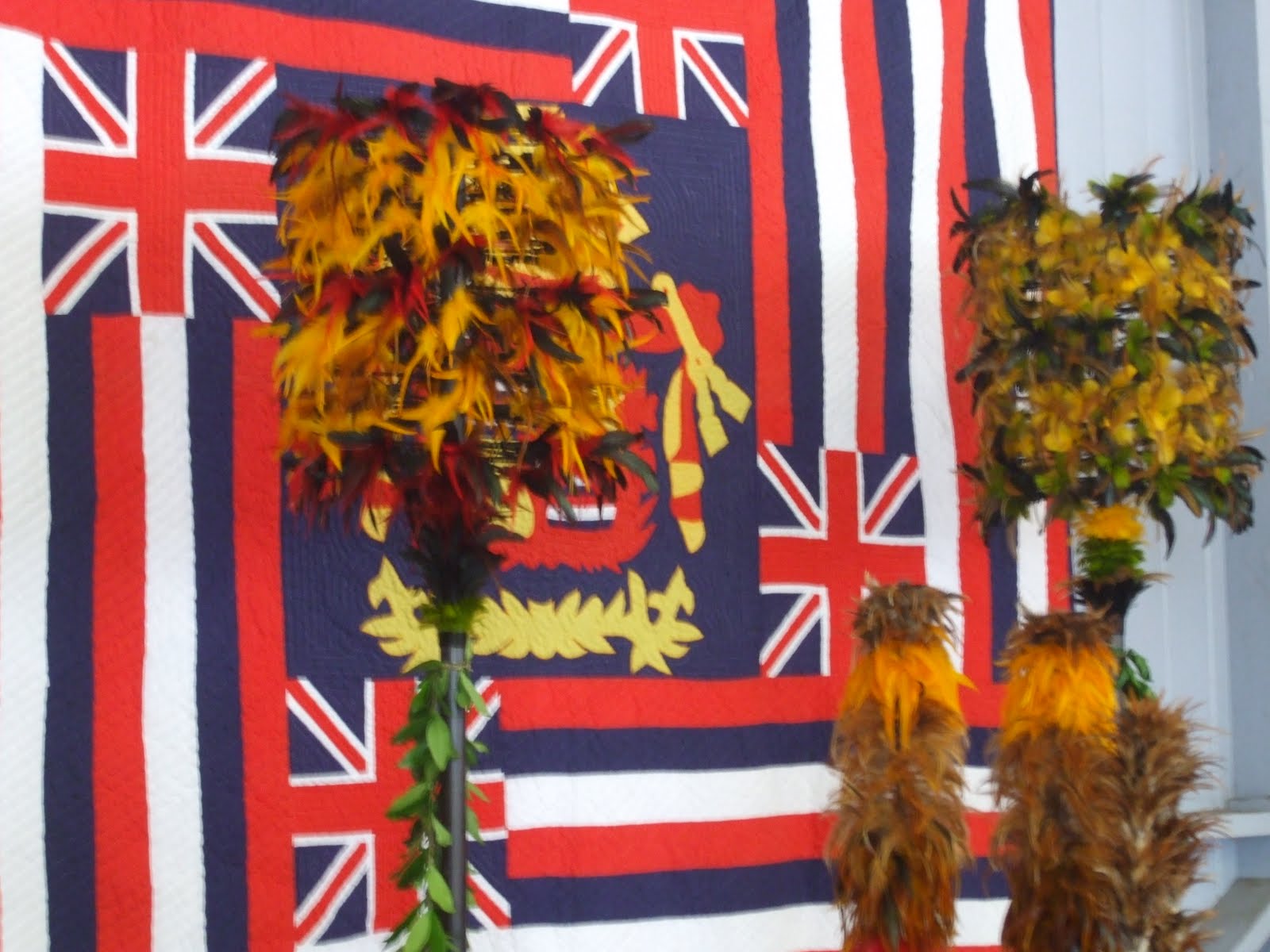
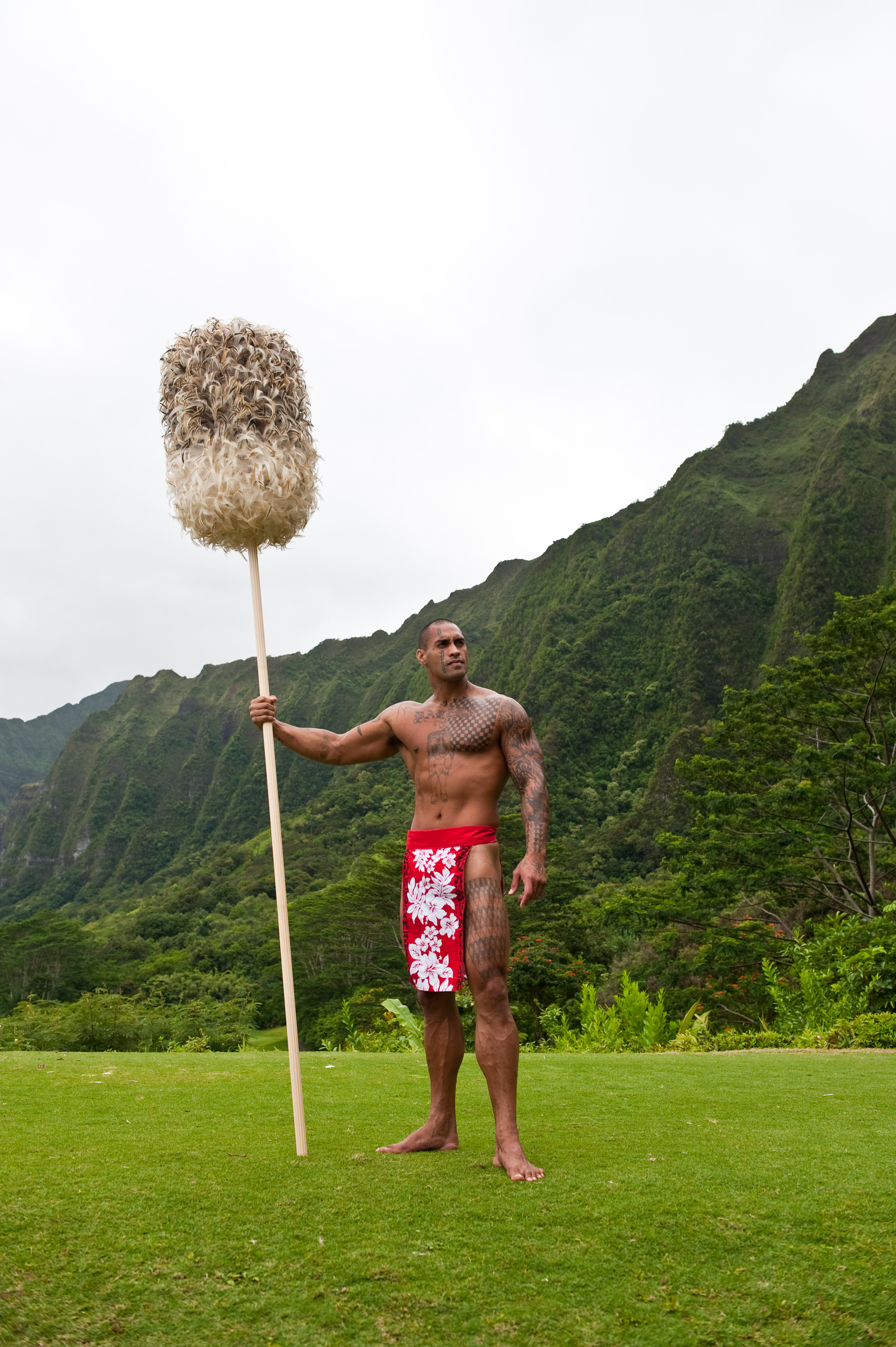
kāhili: 1. Feather standard, symbolic of royalty; segment of a rainbow standing like a shaft (also a sign of royalty); to brush, sweep, switch (to spray, as in kāhilihili: Kāhilihili ke kai a ka he’e nalu, spraying sea of surf-rider).

Kāhili chants (As in ‘ou’ou, to describe the pinnacle or high peak): I ka lālā wēkiu ka pua o Lono, i ka ‘ou’ou o nā lani nui, in the topmost branch the flowers of Lono, among the highest of the high chiefs.

2. Pa’a kāhili, kāhili bearer. Kū kāhili, one standing by a kāhili or carrying it. Kāhili pulu, to clear away mulch. Haku ‘ia na’e ho’i ka hulu o ka moa i kāhili i mua o nā ali’i; kāhili ‘ia na’e ho’i kō kua, chicken feathers indeed are woven into a standard for the presence of the chiefs; your back is brushed by the kāhili.

ho’okāhili. To brush or fan gently. 2. The crape myrtle (Lagerstroemea indica), an ornamental shrub from China, with small oval leaves and panicles of pink, white, or purple crape flowers. 3. A small tree (Grevillea banksii) from Australia, related to the silky oak, ‘oka kilika, but the leaves with fewer subdivisions and the flowers red or cream-white. This is a later application of kāhili to a plant. Flowers not used for leis on head or around neck because of irritating hairs, but made into leis for hats by sewing alternated rows of flower clusters and own leaves on pandanus band. 4. Kāhili ginger (Hedychium gardnerianum), from the Himalaya region; much like the white ginger but with a more open flower head, the flowers with narrow yellow segments and one bright red stamen apiece. Also ‘awapuhi kāhili. 5. A seaweed, probably Turbinaria ornata.

kahili against flag quilt

kahili ginger

kahili bearer

restored kahili returned to bishop museum

Hawaiian Word of the Day: ‘ili

‘ili: 1. Skin, complexion, hide, pelt, scalp, bark, rind, peel. Ho’okae ‘ili, race prejudice; to have race prejudice. Ka ‘ili o ke po’o, scalp. Kāne i ka ‘ili, husband. ‘A’ohe mea ‘ē a’e, ‘o ka lole wale nō i ka ‘ili, there was nothing else except the clothing on the back. 2. Leather. ‘ili lahilahi, thin leather. ‘Ili mānoanoa, thick leather. 3. Surface, area. ‘ili ‘āina, ‘ilikai. 4. Binding, cover. ‘Ili pa’a, hard cover (of a book). 5. Land section, next in importance to ahupua’a and usually a subdivision of an ahupua’a. 6. Strap of any kind, as reins, harness, fan belt, machine belt; hose. 7. Pebble (less used than ‘ili’ili); kōnane pebble. 8. Square, as in measurements. A na ‘ili, square measurements (Pukui & Elbert, 1971).

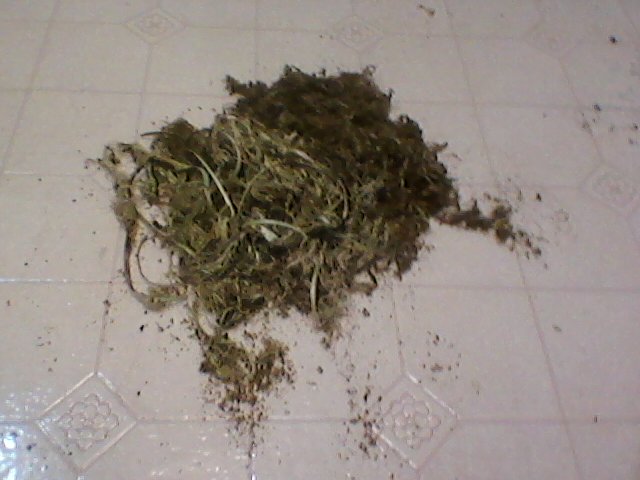
‘ili lepo o waho… dirty outer bark…of wauke when making kapa. The outer bark that is scrapped off to begin the process of making kapa.

'ili lepo o waho

‘ili lepo o waho

Post Navigation