kapa kulture

This blog is dedicated to Hawaiian kapa and matters related to Hawai'i nei…kuku kapa e!

Archive for the category “Wauke (Broussonetia papyrifera)”

Hawaiian Word of the Day: lawa

lawa: 1. Enough, sufficient, ample; to have enough, be satisfied. Lawa pono, plenty, abundant, ample, adequate. Lawa pono ‘ole, insufficient, deficit. Ka’a i ka lawa, to be enough. ho’olawa. To supply, apportion sufficiently, equip. E ho’olawa mai ‘oe i lau hala e pa’a ai keīa moena, supply me enough pandanus leaves to finish this mat. 2. Possessed of enough or ample knowledge, hence wise, capable, competent. Ua lawa ke ‘ike, knowing a great deal. Ua lawa i ka hānai keiki, wise in raising children. 3. As soon as, I lawa nō ā pau ka hana ho’i kāua, as soon as the work is finished, we’ll leave. 4. Strong, husky; strong man, as in a king’s retinue, lawakua. 5. To bind, make fast, tie securely. 6. White, as of a cock or dog. Moa lawa, moa lawa kea, white cock. 7. A large shark fishhook.

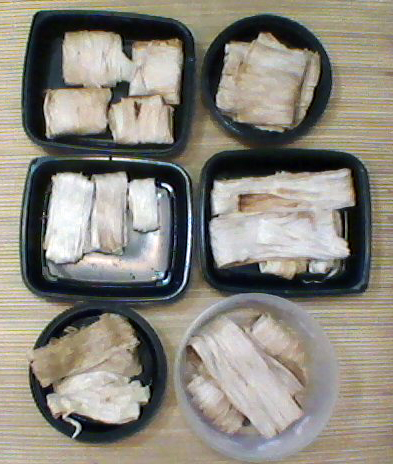
lawa wauke i ho'omo'omo'o

lawa pono wauke i ho’omo’omo’o

Hawaiian Word of the Day: lauhuki

lauhuki: 1. Tapa-soaking, to soak tapa. 2. (Cap.) Name of a goddess worshiped by tapa makers.

lauhuki

lauhuki

Hawaiian Word of the Day: ku’i ku’i

ku’iku’i: To pound, punch, strike, box, hit, hammer; to beat out, as metals; to churn, as butter; to boom or clap, as thunder; to smite, injure, to jar; to prod, as ‘opihi shells from rocks with a knife, formerly with sharp stones; to clash (as sound).

wauke ku’iku’i: Bast from fully mature wauke that required more beating (ku’iku’i) than younger wauke (wauke ohiohi).

Hawaiian Word of the day: hālu’a

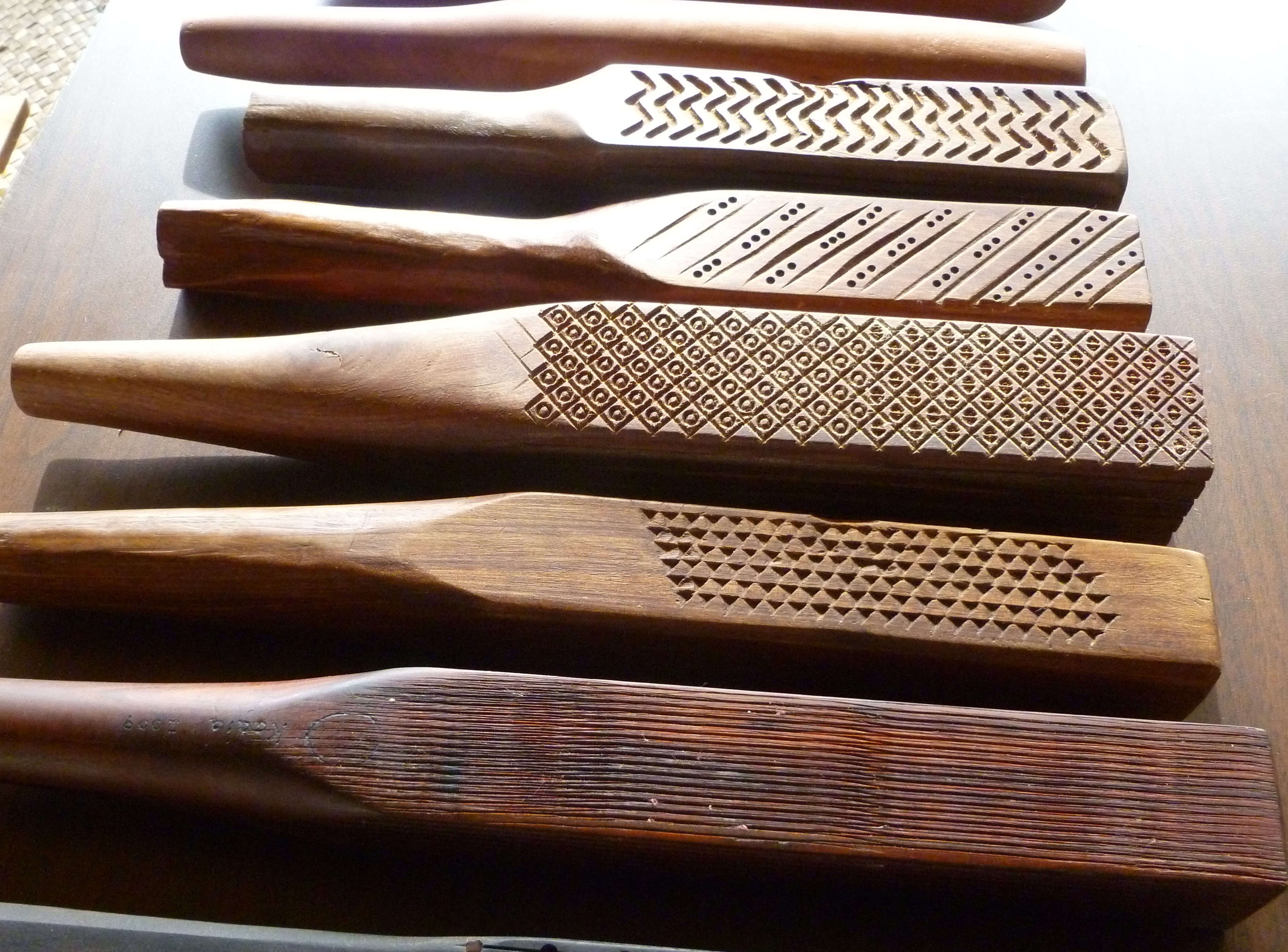
hālu’a: 1. stripe, ripple; ridged seamed, streaked, wrinkled. ‘ālu’a. 2. Pattern on the surface of a tapa beater or tapa. This term may follow types of beaters, as ko’eau hālu’a, mole hālua, pū’ili halu’a. It also precedes types of beaters, as listed below. 3. Variation of hānu’a (thick).

hālu’a ko’eau: Design on a tapa beater consisting of one or more straight lines separating every two wavy lines. Gently waving, delicate parallel lines (the waves are smaller and less jagged than those of the ha’ao.

hālu’a lei hala: Tapa beater design said to resemble pandanus lei and consisting of interlocked triangles.

hālu’a maka ‘upena: Tapa-beater design resembling net mesh.

hālu’a mana mana: Tapa-beater design. Branch, limb; a line projecting from another line, forked.

hālu’a niho manō: The panels between the hālu’a lines are enhanced by regularly spaced small triangles. Lit., shark tooth hālu’a.

hālu’a pāwehe niho manō: Tapa-beater design. The triangles of the niho manō pattern are bordered by oblique lines (pāwehe).

hālu’a pu’ili: A tapa-beater design pattern: tips of zigzag ridges in adjacent surfaces meet and form sunken lozenges. (ko’eau, in which the ridges are parallel).

hālu’a pūpū: A tapa-beater pattern with circular motifs (pūpū), also kōnane pūpū. (pūpū: 1. general name for marine and land shells; beads, snail. 2. any circular motif as in tapa, kōnane pūpū, checkerboard pattern [with rounded pits on each square, as on tapa].

(Hawaiian Dictionary,Revised and Enlarged Edition. Pukui & Elbert, 1971).

P1020871

Hawaiian Word of the Day: māla

māla: Garden, plantation, patch, cultivated field, as māla ‘ai, taro patch, food garden or plantation; or māla wauke, cultivated garden of wauke for the purpose of kapa making. (Pukui & Elbert, 1971).

IMAG0359

The Legend of the Wauke Tree

From the book, Na Mo’olelo Hawai’i o ka Wa Kahiko, Stories of Old Hawai’i
by Roy Kakulu Almeida (1997) Bess Press, Honolulu.

The Legend of the Wauke Tree
Maikoha lived with his family at Puiwa. This place was in the cool and green valley of Nu’uanu, on O’ahu. He worked hard every day in the lo’i near his home. He grew enough food to care for his family, pay the annual taxes during Makahiki, and provide the family ho’okupu to the gods.

He had two daughters, Lauhuiki and La’ahana. He loved them very much. He wanted them to be warm. He did not want them to suffer from the chilly winds and rain that often swept through the valley.

Maikoha was getting older. His body was not healthy and strong enough to withstand the cold winds. As he became older and weaker, Maikoha knew that he would die soon. One day he called his daughters to him. He told them that when he died they should secretly bury him near the cool, clear waters of the stream that flowed by their home.

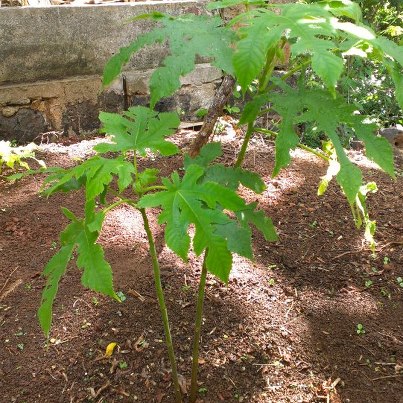
Then Maikoha said to them, “Watch for a tree that will grow from that place. That tree,” he said, “will be my own body growing into a useful tree. You will call it wauke.”

“But how will we know how to use the tree?” asked Lauhuiki.

Maikoha continued, “When the tree is grown, cut the stems of the tree. Strip off the bark. Then pound and pound the stems with a kua kapa until the bark fibers cling to each other like cloth.”

After he gave his instructions, Maikoha lay down to rest. Soon he died. His daughters did as they were told. They buried him in a sunny area near the stream. Every day they cleaned the area and placed a fresh maile lei on the grave.

A few days after they buried their father, a tree began to grow straight and tall from the grave just as their father had said it would. Each day as they watched the tree grow, it spread out many new branches. They named it wauke as their father had told them to do. “It’s time to do what father said,” Lauhiki told her sister.

While asking their father for guidance, they carefully cut the stems off the tree. They stripped off the bark and soaked the branches in water. Then they began to pound and pound the bark until the fibers began to cling to each other like cloth. As they did each step of the process, Maikoha guided their hands. They recognized that their father was their own ‘aumakua.

This was how they learned to make kapa. They made the malo and the pa’u for clothing. These kept them warm and comfortable when the cold winds blew through the valley.

The wauke tree spread throughout Nu’uanu Valley and toher parts of O’ahu and the other islands. Whenever a branch was broken off the tree and stuck in the ground, it would grow. This way the spirit of Maikoha continues to live on all the islands.

Glossary of Hawaiian Words

lo’i: taro or kalo patch

makahiki: ancient festival that lasted for a season of about four months, celebrated by sports and a taboo on war

ho’okupu: gift, offering

wauke: paper mulberry; its bark was used to make tapa or kapa

kua kapa: tapa beating anvil

maile: native Hawaiian twining shrub with a pleasant fragrance

‘aumakua: family god or guardian

kapa: tapa (bark cloth

malo: loincloth

pa’u: skirt

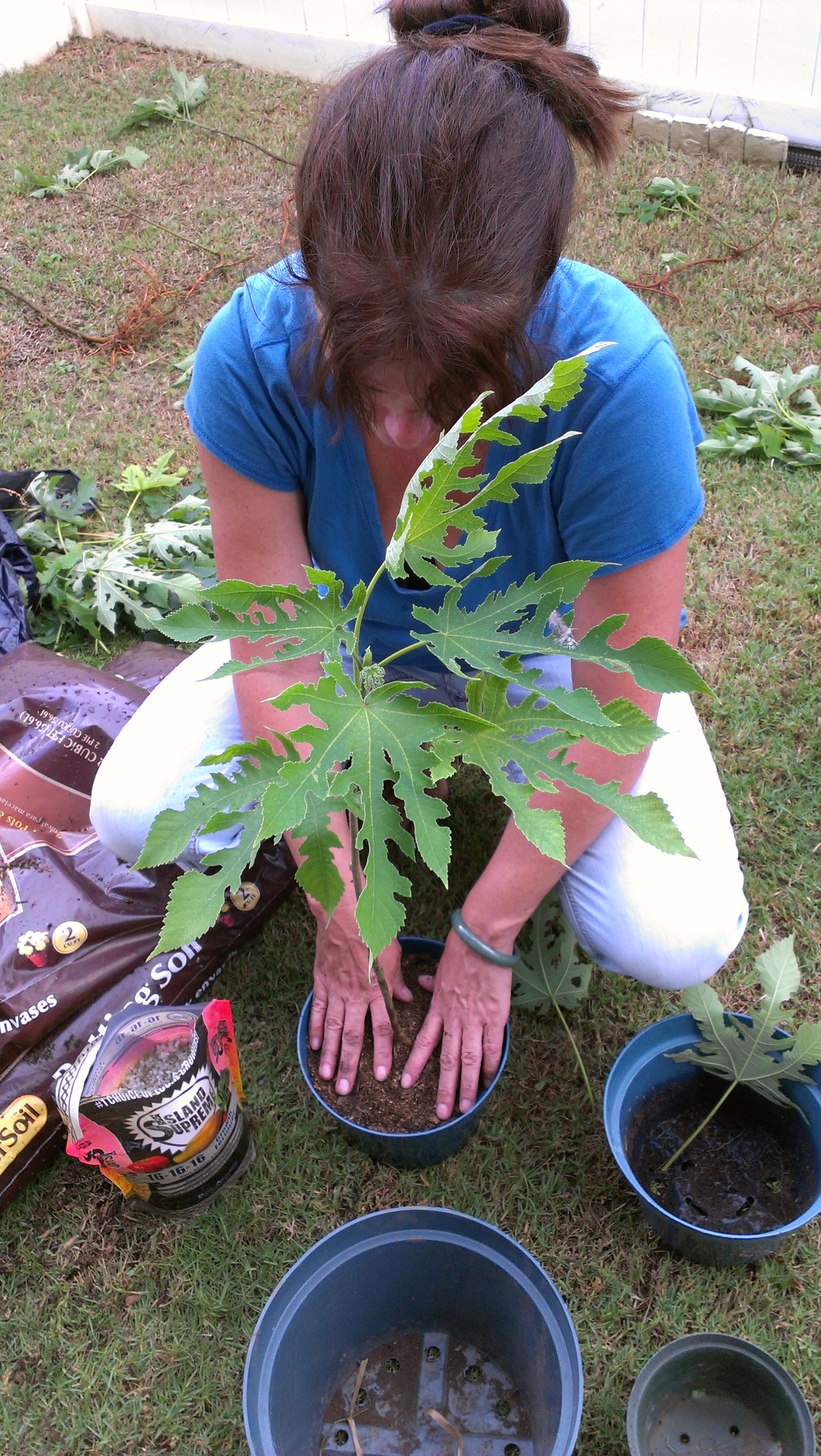
Kanu e ka mala wauke. (Plant the wauke garden.)

Kanu e ka mala wauke. (Plant the wauke garden.)
wauke, po’a’aha

wauke2http://data.bishopmuseum.org/ethnobotanydb/ethnobotany.php?b=d&ID=wauke

Post Navigation