kapa kulture

This blog is dedicated to Hawaiian kapa and matters related to Hawai'i nei…kuku kapa e!

Archive for the category “Hawaiian Word of the Day”

Hawaiian Word of the Day: lau

lau: 1. Leaf, frond, leaflet, greens; to leaf out. Lau is sometimes contracted to lā-, as lā’ī, lāʻie, lāʻō. ho’olau. to grow leaves; to leaf out. 2. Dragnet, seine, so called because formerly made of ti leaves (lau) tied to a rope. Hukilau, lauahi, lauʻapoʻapo, laukō. ho’olau. (a) To use a lau. (b) A bundle of grass or ferns set in water to attract shrimps or ʻoʻopu fish; a net was placed under this bundle, and the fish shaken into it. (Proto-Polynesian rau.) 3. Sheet; surface; blade, as of grass. 4. To be much, many; very many, numerous; four-hundred. Lau ā lau nā hōkū o ka lani, hundreds and hundreds of stars in the heaven. Lau lena ka pua o ka māmane, the māmane is yellow with blossoms. ho’olau. To make numerous; to assemble, as of numerous persons or animals; numerous. 5. Pattern, as for quilts; design; print of a cloth. Pāhoehoe lau, brocaded satin. 6. Thatched mountain hut, as used by farmers, canoe-makers, bird catchers. 7. Tip, as of the tongue; top (probably related to wēlau and ʻēlau, tip). Lau make, death-dealing tip, as of a weapon. Moe…i ka lau o ka lihilhi, to doze; lit., sleep by the tip of the eyelash. 8. Sweet-potato slip or vine.

P1020793

Hawaiian Word of the Day: maopopo

maopopo: To understand, recognize, realize; clear; plainly, clearly; understanding. Ua maopopo iā’oe? Do you understand? Ua maopopo ia’u kou mana’o, I understand your idea. Ha’i maopopo, to tell clearly. Maopopo ka ‘ikena, clearly seen or known. Maopopo ‘ole, unintelligible, unaware, unaccountable. Maopopo loa, to understand clearly, definite, certain. Maopopo maika’i, maopopo le’a, obvious, evident, clearly understood.
ho’omaopopo. To understand, make plain or clear, tell clearly, cause to understand, pay attention in order to understand; to certify, inform, remember, recollect, recall, think about, remind, believe in, realize, ascertain, take care of, recognize, discover. (Depending on context, many translations are possible; for substitution of maopopo for ho’omaopopo) Ho’omaopopo ‘ē, to understand ahead, to anticipate; inkling. Ho’omaopopo ‘ole ‘ia, misunderstood, unintelligible, uncared for, unclear. E ho’omaopopo aku ‘oe, i ka hola ‘ehia kākou e hele ai, find out what hour we are going. E ho’omaopopo aku ‘oe e hele mai i kēla ‘apōpō, remind [him] to come tomorrow. E ho’omapopo mai ‘oe i kēia mea e a’o ‘ia aku nei, pay attention and comprehend these things being taught you. (From Hawaiian Dictionary, Pukui & Elbert, p 241, 1971).

e ala e

e ala e

Hawaiian Word of the Day: wiwo’ole

wiwo’ole: Fearless, brave, bold, courageous, dauntless, intrepid. Hana wiwo’ole, bold or brave deed, adventure. Mea wiwo’ole, intrepid person, adventurer.

warrior

Hawaiian Word of the Day: kāhili

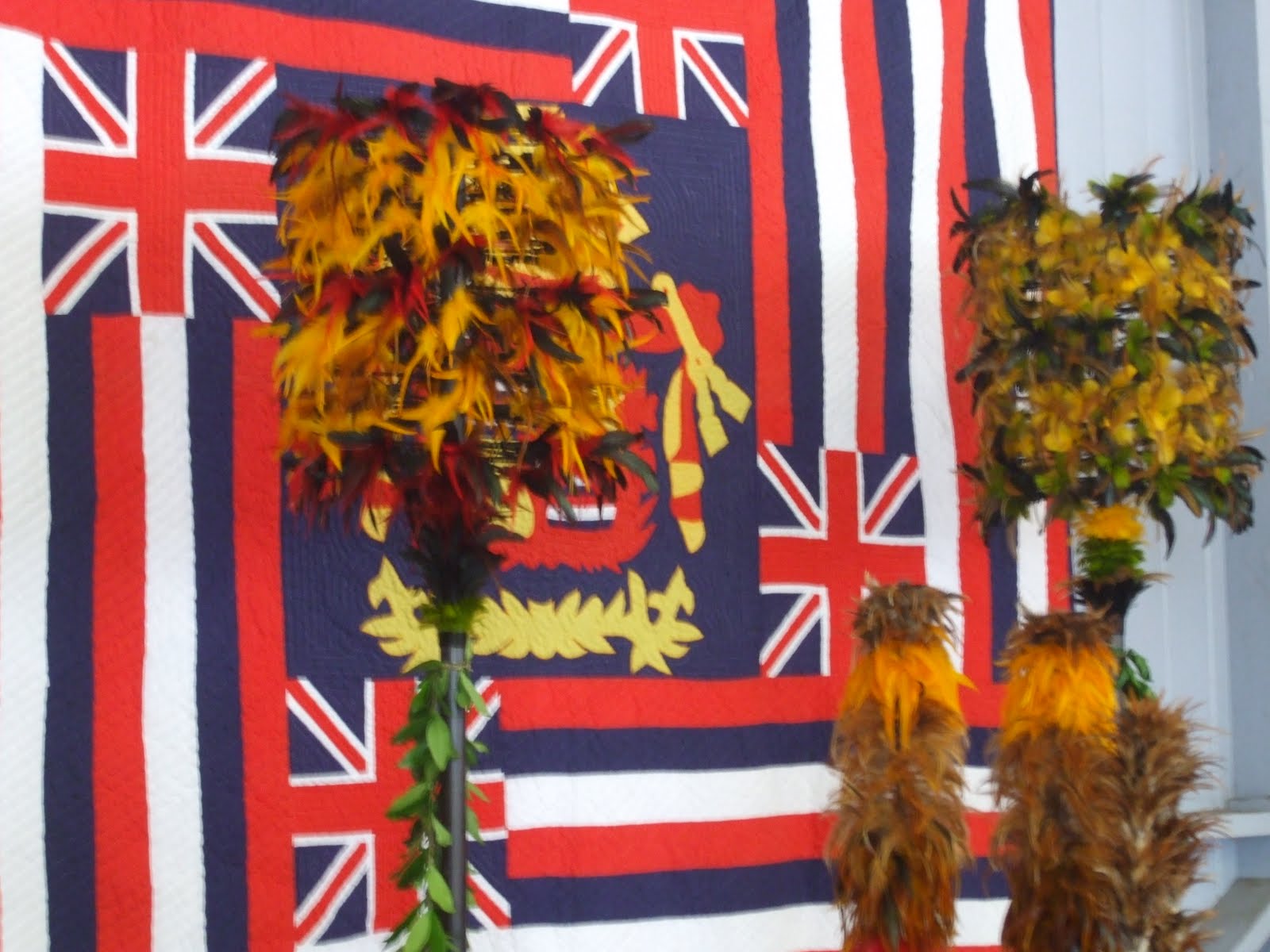
kāhili: 1. Feather standard, symbolic of royalty; segment of a rainbow standing like a shaft (also a sign of royalty); to brush, sweep, switch (to spray, as in kāhilihili: Kāhilihili ke kai a ka he’e nalu, spraying sea of surf-rider).

Kāhili chants (As in ‘ou’ou, to describe the pinnacle or high peak): I ka lālā wēkiu ka pua o Lono, i ka ‘ou’ou o nā lani nui, in the topmost branch the flowers of Lono, among the highest of the high chiefs.

2. Pa’a kāhili, kāhili bearer. Kū kāhili, one standing by a kāhili or carrying it. Kāhili pulu, to clear away mulch. Haku ‘ia na’e ho’i ka hulu o ka moa i kāhili i mua o nā ali’i; kāhili ‘ia na’e ho’i kō kua, chicken feathers indeed are woven into a standard for the presence of the chiefs; your back is brushed by the kāhili.

ho’okāhili. To brush or fan gently. 2. The crape myrtle (Lagerstroemea indica), an ornamental shrub from China, with small oval leaves and panicles of pink, white, or purple crape flowers. 3. A small tree (Grevillea banksii) from Australia, related to the silky oak, ‘oka kilika, but the leaves with fewer subdivisions and the flowers red or cream-white. This is a later application of kāhili to a plant. Flowers not used for leis on head or around neck because of irritating hairs, but made into leis for hats by sewing alternated rows of flower clusters and own leaves on pandanus band. 4. Kāhili ginger (Hedychium gardnerianum), from the Himalaya region; much like the white ginger but with a more open flower head, the flowers with narrow yellow segments and one bright red stamen apiece. Also ‘awapuhi kāhili. 5. A seaweed, probably Turbinaria ornata.

kahili against flag quilt

kahili ginger

kahili bearer

restored kahili returned to bishop museum

Hawaiian Word of the Day: ‘onipa’a

‘onipa’a: Fixed, immovable, motionless, steadfast, established, firm, resolute, determined (this was the motto of Ka-mehameha V and of Lili’u-o-ka-lani. Lit., fixed movement). hō’onipa’a. To fix, establish firmly. E hō’onipa’a loa wau iā ‘oukou (Bible: Jer. 42:10), I will plant you securely (Pukui & Elbert, Hawaiian Dictionary, 1971).

tree_canopy

Hawaiian Word of the Day: puke / buke

puke/buke: Book, volume (in a series).

ka puke

ka puke

Oratory is a valuable art form throughout Polynesia. As such it has an important role, with etiquette and rules of protocol. Passing down legacies of cultural stories, events, and skills exclusively through oral transmission was a way of life. When the Missionaries came to the islands of Hawai’i in 1820, they eventually established schools in which the spoken Hawaiian language was extended to written forms. The Hawaiian alphabet could be learned for reading and writing and vocabulary words were continuously being added to the written Hawaiian language.

In 1869, a Native Hawaiian historian reported in a newspaper article that Hawai’i was the only Pacific island government to be represented at an Exposition in Paris. Books of law, newspapers, agricultural products, Bibles, textbooks, as well as other examples of writing in ‘ōlelo Hawai’i were exhibited. It is said that European visitors to the Paris Exhibition were awestruck at the examples of their literary accomplishments. For in Europe at that time, monarchs and their noble classes alone received excellent educations. It is reported that one viewer exclaimed, “This…island is ahead in literacy; and the enlightened countries of Europe are behind it!”

Hawaiian Word of the Day: mo’o kū’auhau

mo’o kū’auhau: Genealogical succession, pedigree.

mo’o kupuna: Ancestral genealogy.

I am working on my mo’o kū’auhau, my family genealogy, today with the help of a good friend who has the mana’o about ‘ōlelo. The purpose is to be able to honor my kupuna, my ancestors, when the time comes to introduce myself in the proper way. Ancient protocol would have lengthy introductions in order to know with whom one was speaking… aloha kākou

making_a_family_tree_kalo

Hawaiian Word of the Day: ‘ili

‘ili: 1. Skin, complexion, hide, pelt, scalp, bark, rind, peel. Ho’okae ‘ili, race prejudice; to have race prejudice. Ka ‘ili o ke po’o, scalp. Kāne i ka ‘ili, husband. ‘A’ohe mea ‘ē a’e, ‘o ka lole wale nō i ka ‘ili, there was nothing else except the clothing on the back. 2. Leather. ‘ili lahilahi, thin leather. ‘Ili mānoanoa, thick leather. 3. Surface, area. ‘ili ‘āina, ‘ilikai. 4. Binding, cover. ‘Ili pa’a, hard cover (of a book). 5. Land section, next in importance to ahupua’a and usually a subdivision of an ahupua’a. 6. Strap of any kind, as reins, harness, fan belt, machine belt; hose. 7. Pebble (less used than ‘ili’ili); kōnane pebble. 8. Square, as in measurements. A na ‘ili, square measurements (Pukui & Elbert, 1971).

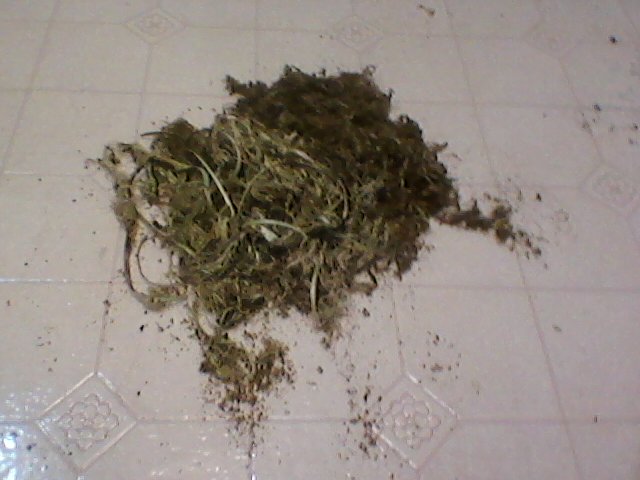
‘ili lepo o waho… dirty outer bark…of wauke when making kapa. The outer bark that is scrapped off to begin the process of making kapa.

'ili lepo o waho

‘ili lepo o waho

Hawaiian Word of the Day: na’au

na’au: Intestines, bowels, guts; mind, heart, affections; of the heart or mind; mood, temper, feelings. Fig., child.

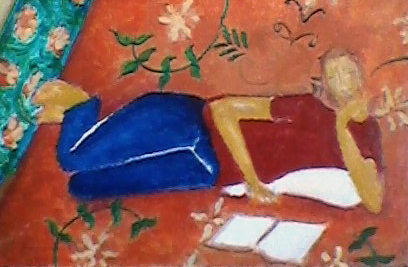
violinist

Hawaiian Word of the Day: honua

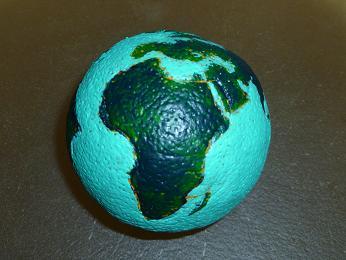
honua: 1. Land, earth, world; background, as of quilt designs; basic, at the foundation, fundamental. Kaua honua, world war. Ka wahine ‘ai honua, the earth-eating woman [Pele]. ho’ohonua. To establish land, act as land; to scoop out earth, as for a fireplace; firmly established (Pukui & Elbert, 1971).

small orange world

Post Navigation